The Best Red Dot for Canik TP9DA is not simply the optic with the biggest window or the brightest dot—it’s the one that balances footprint compatibility, recoil durability, sight picture clarity, and real-world usability on a DA/SA pistol platform. The Canik TP9DA has a unique shooting rhythm because of its decocker and slightly heavier slide impulse compared to striker-only models. That means optic durability and emitter stability matter more than many shooters realize.
I’ve spent years testing pistol red dots on duty pistols, range guns, and competition setups. When mounted to the TP9DA platform (usually with an RMR plate), some optics hold zero better, resist emitter occlusion, and maintain faster target acquisition.
In this guide, I break down six optics I trust on the platform, focusing on:
- Parallax performance during fast draws
- Deck height and iron sight co-witness
- Window distortion and lens tint
- Battery reliability and access
- Mounting compatibility
These are not theoretical picks. Each optic has earned its place through durability, reliability, and real user feedback.
Top Product List: Best Red Dot for Canik TP9DA
Holosun 507C
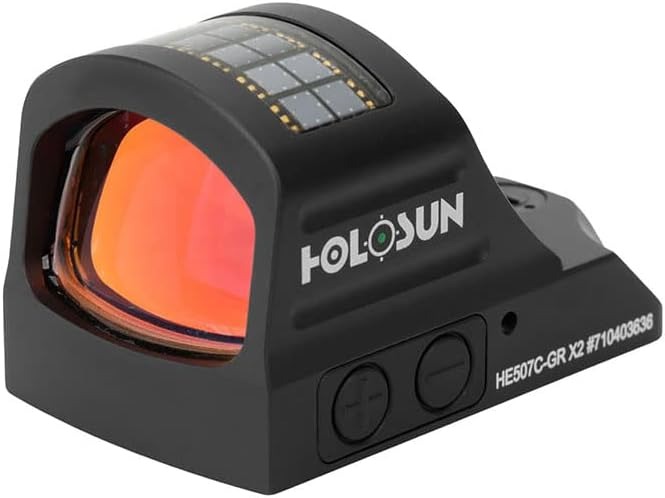
The Holosun 507C remains one of the most versatile pistol optics available. Its multi-reticle system and extremely durable electronics make it a favorite for defensive and competition pistols alike.
Key Specs
- Footprint: RMR
- Dot size: 2 MOA with 32 MOA ring option
- Battery: CR1632 side tray
- Window: 0.63 x 0.91 in
- Brightness: 12 settings (2 NV compatible)
- Housing: 7075 aluminum
Pros
- Side battery tray avoids re-zeroing
- Solar backup system
- Crisp reticle options
- Excellent value
Cons
- Slight blue lens tint
- Buttons can feel small with gloves
My Hands-On Notes
On the TP9DA, the 507C sits at a comfortable deck height when using an RMR adapter plate. The window gives a wide field of view during presentation, and parallax shift is minimal inside 25 yards. The side battery tray is a huge advantage—no need to remove the optic during battery swaps.
The dot itself is extremely crisp, even for shooters with mild astigmatism. During recoil testing, the emitter remained stable with no flicker after several hundred rounds.
What People Say Online
Most competitive shooters appreciate the circle-dot reticle for fast target transitions. Forum discussions frequently highlight its durability compared to other optics in the same price range.
Mounting
Direct RMR-pattern mounting via adapter plate.
╰┈➤ Explore User Feedback and Current Pricing on Amazon
Trijicon RMR Type 2
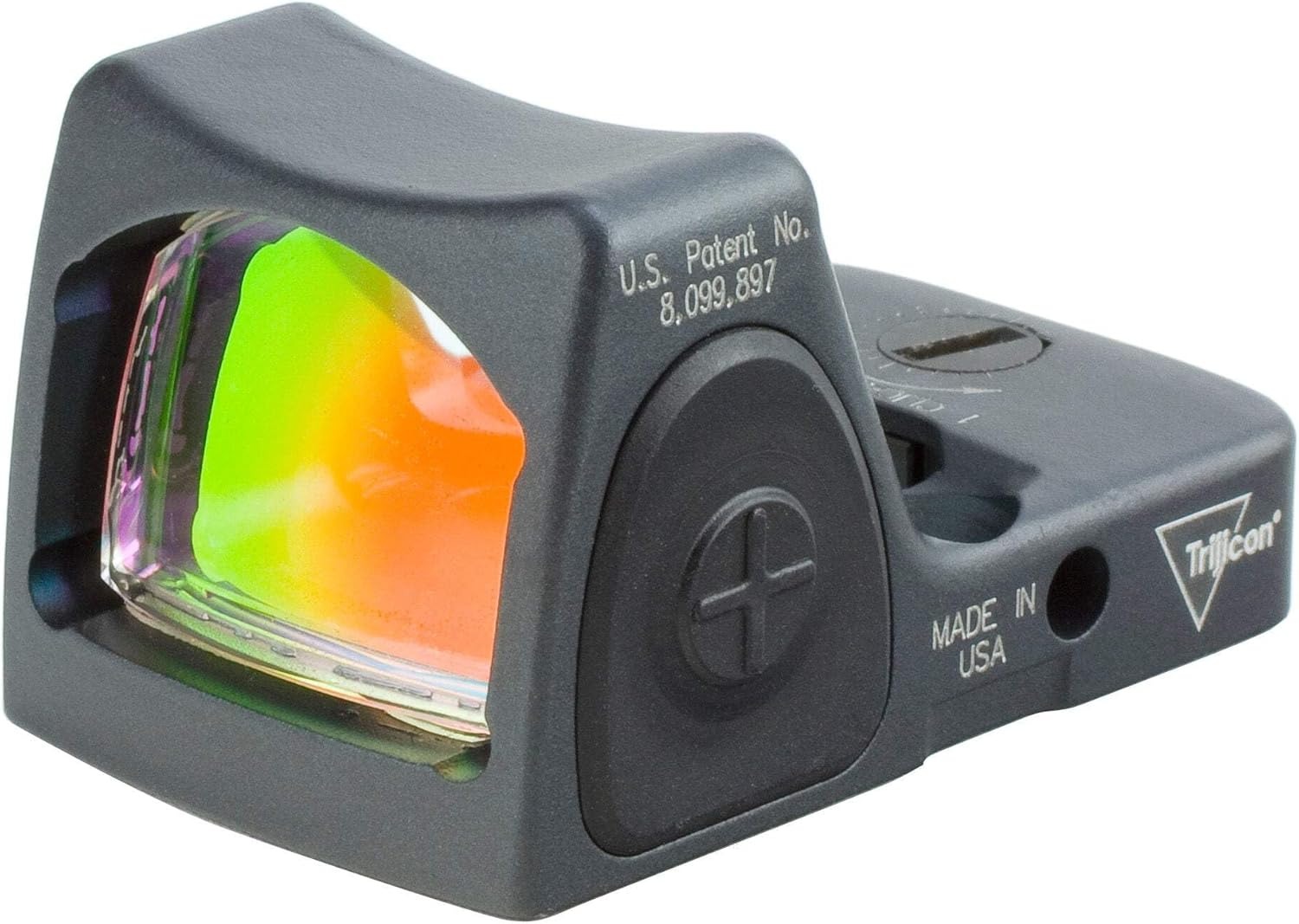
The RMR Type 2 is arguably the most battle-proven pistol optic ever produced. If absolute reliability is the priority, it’s hard to beat.
Key Specs
- Footprint: RMR
- Dot size: 3.25 MOA
- Battery: CR2032
- Window: 0.63 x 0.87 in
- Housing: Forged aluminum
- Battery life: 4+ years
Pros
- Legendary durability
- Excellent recoil resistance
- Crisp dot with minimal distortion
- Massive aftermarket support
Cons
- Bottom battery access
- Smaller window than newer optics
My Hands-On Notes
The RMR Type 2 thrives on heavy-recoiling pistols, and the TP9DA is no exception. I’ve run thousands of rounds through this optic across multiple pistols, and the electronics have never failed.
The window has minimal distortion around the edges, and parallax shift remains negligible during dynamic shooting drills.
Buttons are tactile enough to operate even while wearing gloves.
What People Say Online
Duty users and law enforcement often consider the RMR the gold standard for pistol optics due to its ruggedness.
Mounting
Direct RMR footprint compatibility.
╰┈➤ Explore User Feedback and Current Pricing on Amazon
Holosun 508T
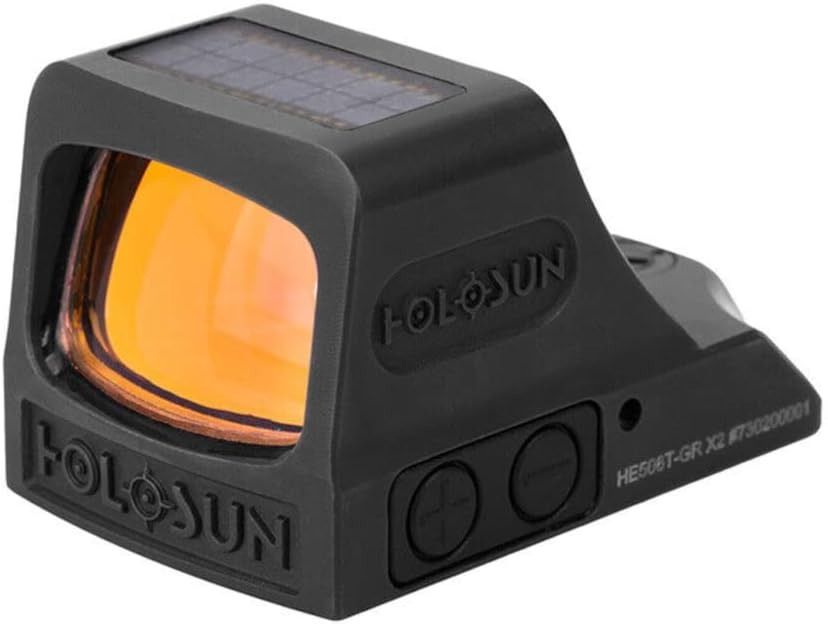
The 508T is essentially the tougher sibling of the 507C, featuring a titanium housing designed for extreme abuse.
Key Specs
- Footprint: RMR
- Dot size: 2 MOA
- Battery: CR1632 side tray
- Housing: Titanium
- Brightness: 12 levels
Pros
- Extremely rugged titanium body
- Side battery access
- Multi-reticle system
- Strong sealing against moisture
Cons
- Slightly heavier than aluminum optics
- Reticle menu takes time to learn
My Hands-On Notes
Titanium housing adds noticeable durability without drastically increasing weight. When mounted on the TP9DA, recoil impulse remains smooth, and the optic tracks reliably during rapid strings.
Parallax remains minimal within typical pistol distances. I also appreciate how the buttons offer a more positive click compared to earlier Holosun designs.
What People Say Online
Hard-use shooters often prefer the 508T over the 507C due to the stronger housing.
Mounting
RMR footprint compatibility.
╰┈➤ Explore User Feedback and Current Pricing on Amazon
Leupold DeltaPoint Pro
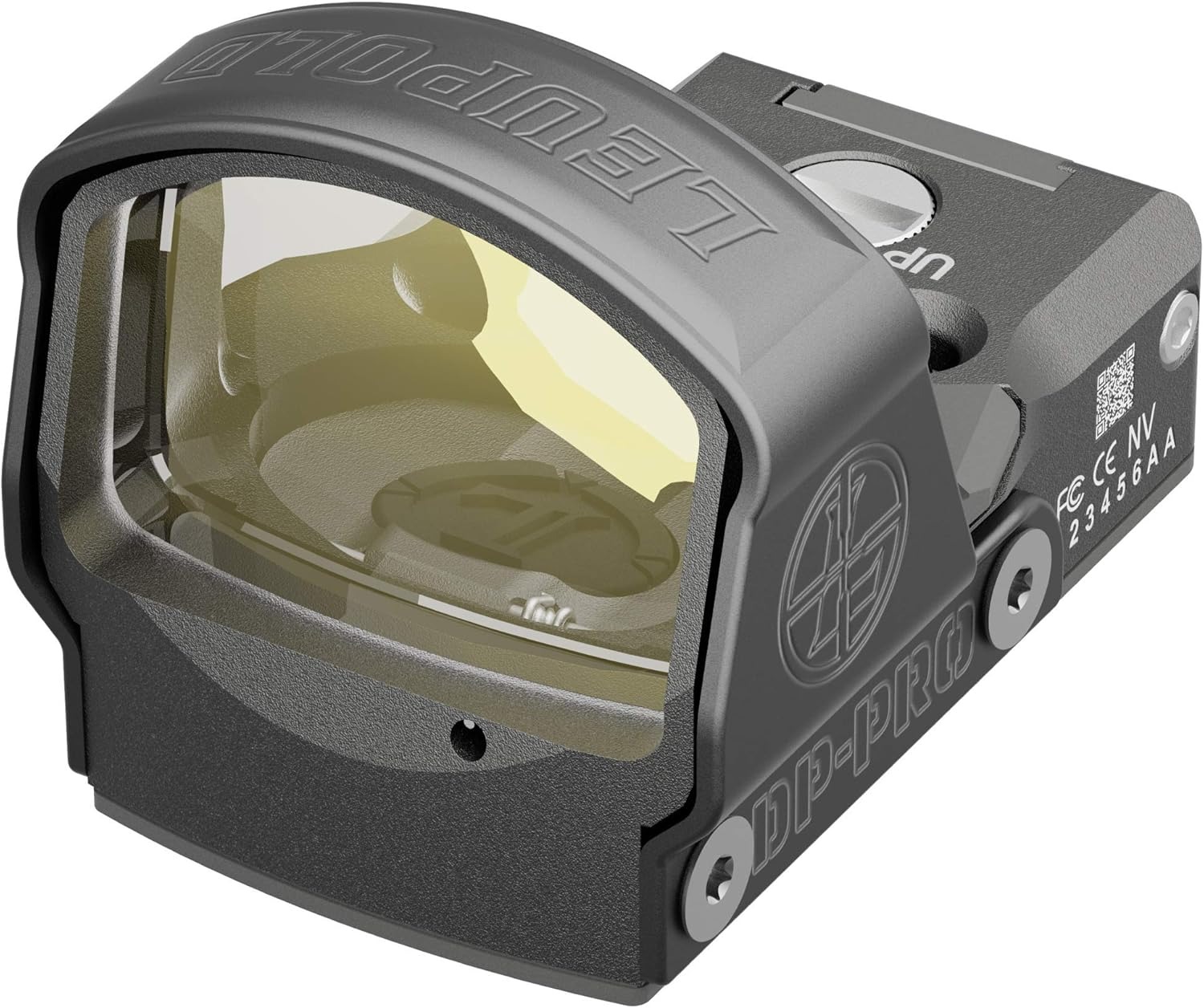
The DeltaPoint Pro is famous for one thing: its massive window. For shooters who prioritize visibility, this optic excels.
Key Specs
- Footprint: DPP
- Dot size: 2.5 MOA
- Battery: CR2032 top load
- Window: very large
- Housing: aluminum
Pros
- Huge field of view
- Excellent glass clarity
- Top battery access
- Durable electronics
Cons
- Slightly taller deck height
- Requires mounting plate
My Hands-On Notes
The large window helps reduce “dot hunting” during draws. This makes it extremely forgiving for newer red-dot pistol shooters.
Lens clarity is outstanding with very little tint. Parallax remains stable across the window, and recoil impulse doesn’t disturb the dot even during rapid fire.
What People Say Online
Competition shooters frequently praise its window size and clarity.
Mounting
Requires DeltaPoint Pro plate.
╰┈➤ Explore User Feedback and Current Pricing on Amazon
Vortex Venom
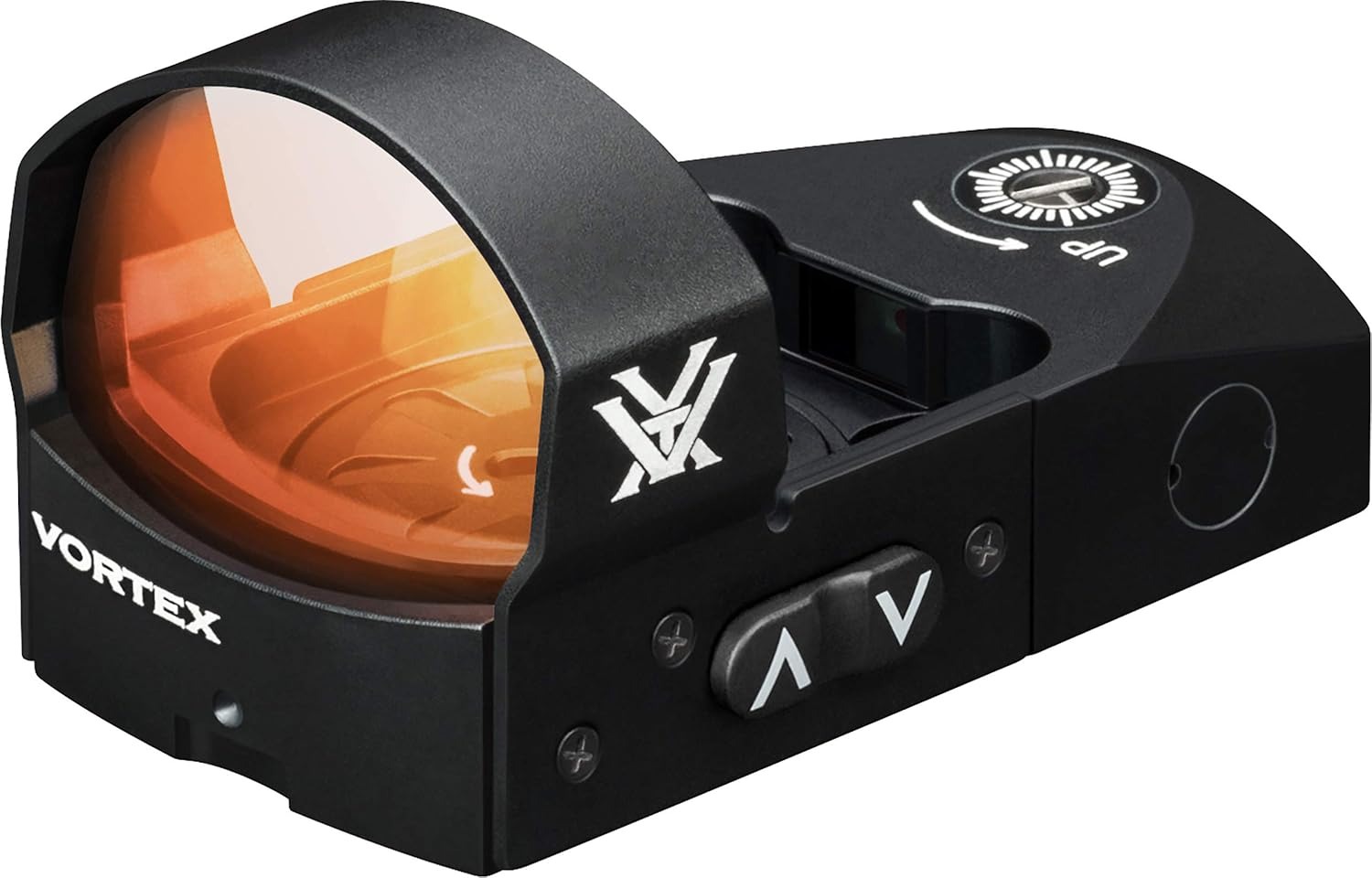
The Venom has been a reliable entry-level optic for years and still holds up well today.
Key Specs
- Footprint: Docter
- Dot size: 3 MOA
- Battery: CR1632 top load
- Window: large
- Brightness: 10 settings
Pros
- Excellent value
- Easy battery access
- Large window
Cons
- Slight window distortion at edges
- Less rugged than duty optics
My Hands-On Notes
The Venom performs well on the TP9DA for range and competition use. The large window helps with quick target acquisition, though the glass shows mild distortion near the edges.
Button controls are responsive, and brightness adjustments are easy even with gloves.
What People Say Online
Many shooters recommend it as a starter optic for those new to pistol red dots.
Mounting
Requires Docter-pattern adapter plate.
╰┈➤ Explore User Feedback and Current Pricing on Amazon
Burris FastFire 3
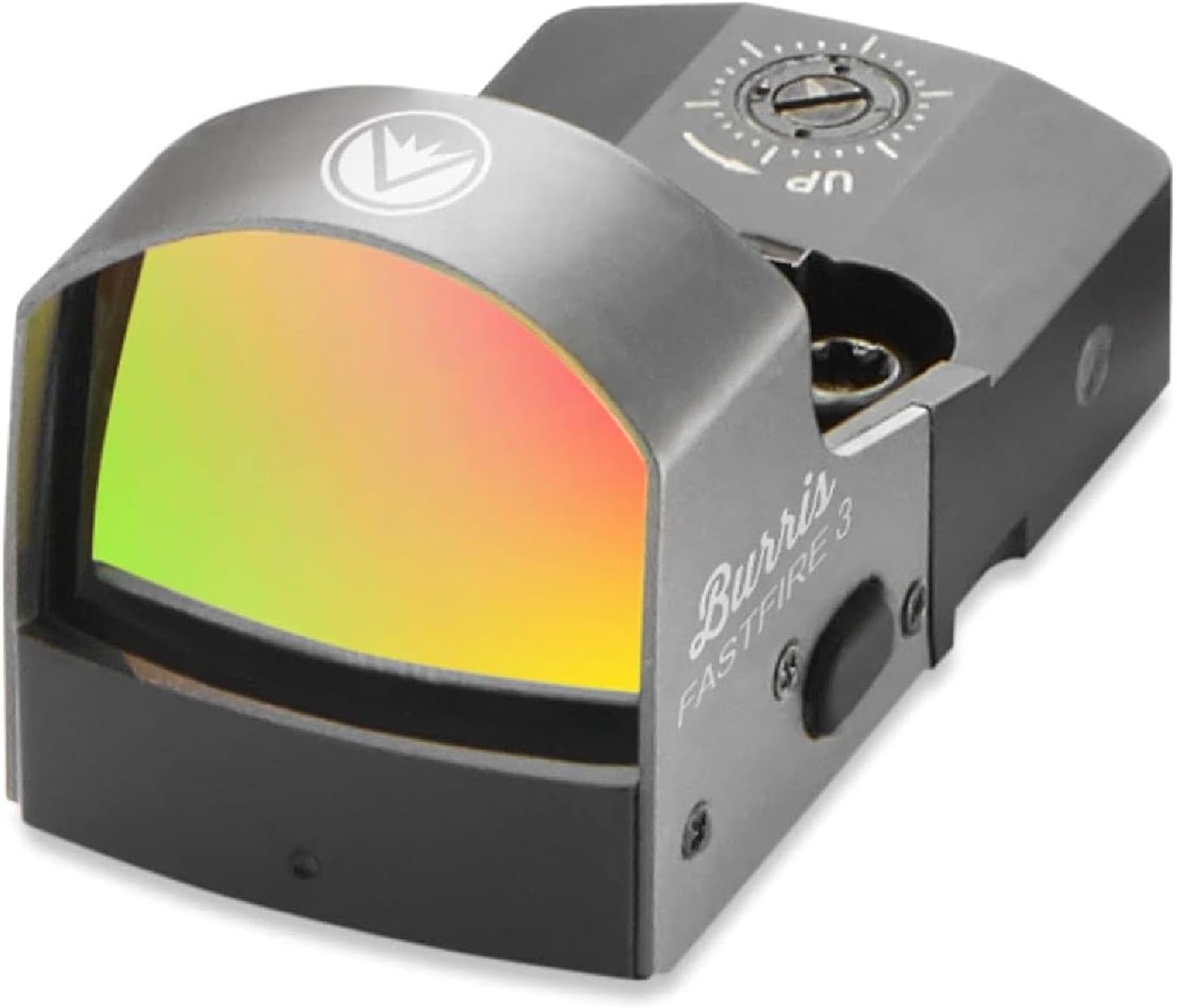
The FastFire 3 remains one of the lightest pistol optics on the market, making it appealing for minimalist setups.
Key Specs
- Footprint: Docter
- Dot size: 3 MOA
- Battery: CR1632 top load
- Weight: ~0.9 oz
Pros
- Extremely lightweight
- Clear glass
- Automatic brightness
Cons
- Smaller window
- Less rugged housing
My Hands-On Notes
The light weight pairs nicely with the TP9DA’s slide dynamics. Recoil impulse remains balanced, and the optic doesn’t slow slide cycling.
However, emitter occlusion can occur more easily in dusty environments because the emitter is exposed.
What People Say Online
Hunters and lightweight carry users frequently choose this optic due to its compact design.
Mounting
Docter footprint adapter required.
╰┈➤ Explore User Feedback and Current Pricing on Amazon
How I Tested / Evaluation Criteria
Parallax
Parallax shift is one of the most overlooked characteristics of pistol optics. I evaluate this by moving the eye position across the window while maintaining a fixed target. The best optics maintain minimal reticle movement even near the edges of the glass.
Co-Witness and Deck Height
Deck height determines whether iron sights can co-witness with the optic. On the TP9DA, RMR-pattern optics tend to offer the best balance between low mounting and sight visibility when paired with suppressor-height irons.
Durability
I test durability through repeated recoil cycles and environmental exposure. Optics designed for pistol slides must handle thousands of G-forces per firing cycle. Housing material, sealing, and emitter construction all affect long-term reliability.
Battery
Battery life matters more than many shooters expect. I prefer optics with either multi-year battery life or easy battery access, such as side trays or top-loading compartments.
Brightness Range
A good optic must work in both direct sunlight and low-light environments. I test brightness transitions outdoors and indoors to ensure the reticle remains visible without blooming.
Glass Quality
Lens coatings affect both clarity and tint. Excessive tint can reduce target visibility, while poor coatings can create glare under bright lighting.
Controls and Ergonomics
Buttons should be tactile enough for gloved use but recessed enough to prevent accidental presses. Poor control placement can become frustrating during adjustments.
Mounting Ecosystem
The optic footprint determines compatibility with mounting plates and aftermarket slides. RMR remains the most widely supported footprint for pistol optics.
How to Choose the Right Red Dot for This Gun
Choosing the right optic for the TP9DA involves more than simply picking the most expensive model. The pistol’s DA/SA system introduces unique shooting dynamics, and the optic must complement that.
First, footprint compatibility is critical. Many TP9DA owners use adapter plates for RMR optics, which opens access to a massive aftermarket of high-quality sights. RMR-pattern optics are generally the safest choice because they offer the most mounting solutions and proven durability.
Second, window size affects speed. Larger windows reduce the chance of losing the dot during presentation. If you’re new to pistol optics, models like the DeltaPoint Pro can make the transition easier because they provide a forgiving sight picture.
Third, durability matters. Slide-mounted optics endure constant shock from recoil. Optics designed for rifle platforms often fail quickly when mounted to pistol slides. Choosing models with reinforced housings and sealed emitters dramatically increases reliability.
Fourth, battery access should not be overlooked. Bottom-mounted batteries require removing the optic and re-zeroing after replacement. Side trays or top-load compartments simplify maintenance.
Finally, consider how you actually plan to use the pistol. Competition shooters may prefer large windows and multi-reticle systems, while defensive users may prioritize ruggedness and simplicity.
The ideal optic balances durability, clarity, mounting compatibility, and ease of maintenance.
FAQs
Is the Canik TP9DA optic ready?
Most TP9DA models are not directly optic-ready. They usually require an adapter plate or slide milling to mount a red dot.
What footprint works best?
RMR footprint optics tend to work best because of their widespread mounting support and durability.
What dot size is best?
For general use, a 3 MOA dot provides a good balance between precision and fast acquisition.
Do red dots hold zero on pistols?
Quality pistol optics are designed to withstand slide recoil and maintain zero even after thousands of rounds.
Are open emitters reliable?
They work well in most environments but can accumulate debris. Closed emitters offer additional protection but are often heavier.
Conclusion
Finding the Best Red Dot for Canik TP9DA comes down to balancing durability, clarity, mounting compatibility, and real-world usability. While every optic in this guide performs well, the Holosun 507C and Trijicon RMR Type 2 consistently stand out for reliability and performance.
If your priority is proven durability, the RMR remains the benchmark. If you want advanced features and better battery access, the Holosun 507C or 508T are excellent choices. And for shooters who value a massive viewing window, the DeltaPoint Pro remains hard to beat.
The right optic ultimately depends on how you plan to use the pistol—but any of these six will serve the platform extremely well.