Best Red Dot for CMMG Banshee setups demand a slightly different optic approach than a traditional AR-15. The Banshee platform—especially in 9mm, 10mm, and .45 ACP configurations—produces a unique recoil impulse thanks to the radial delayed blowback system. That impulse is sharper than a standard gas gun and can expose weaknesses in optics that seem perfectly fine on a 5.56 rifle.
After running multiple red dots on PCCs and short-barreled AR platforms, I’ve learned that the ideal optic for this platform needs fast acquisition, solid recoil durability, and a window that works well during aggressive movement. Battery life and mounting height also matter more than most shooters realize.
In this guide, I’ll break down six optics that consistently perform well on the Banshee platform. These picks cover everything from budget-friendly PCC builds to duty-grade setups that can handle thousands of rounds without losing zero.
Top Product List: Best Red Dot for CMMG Banshee
Aimpoint Micro T-2
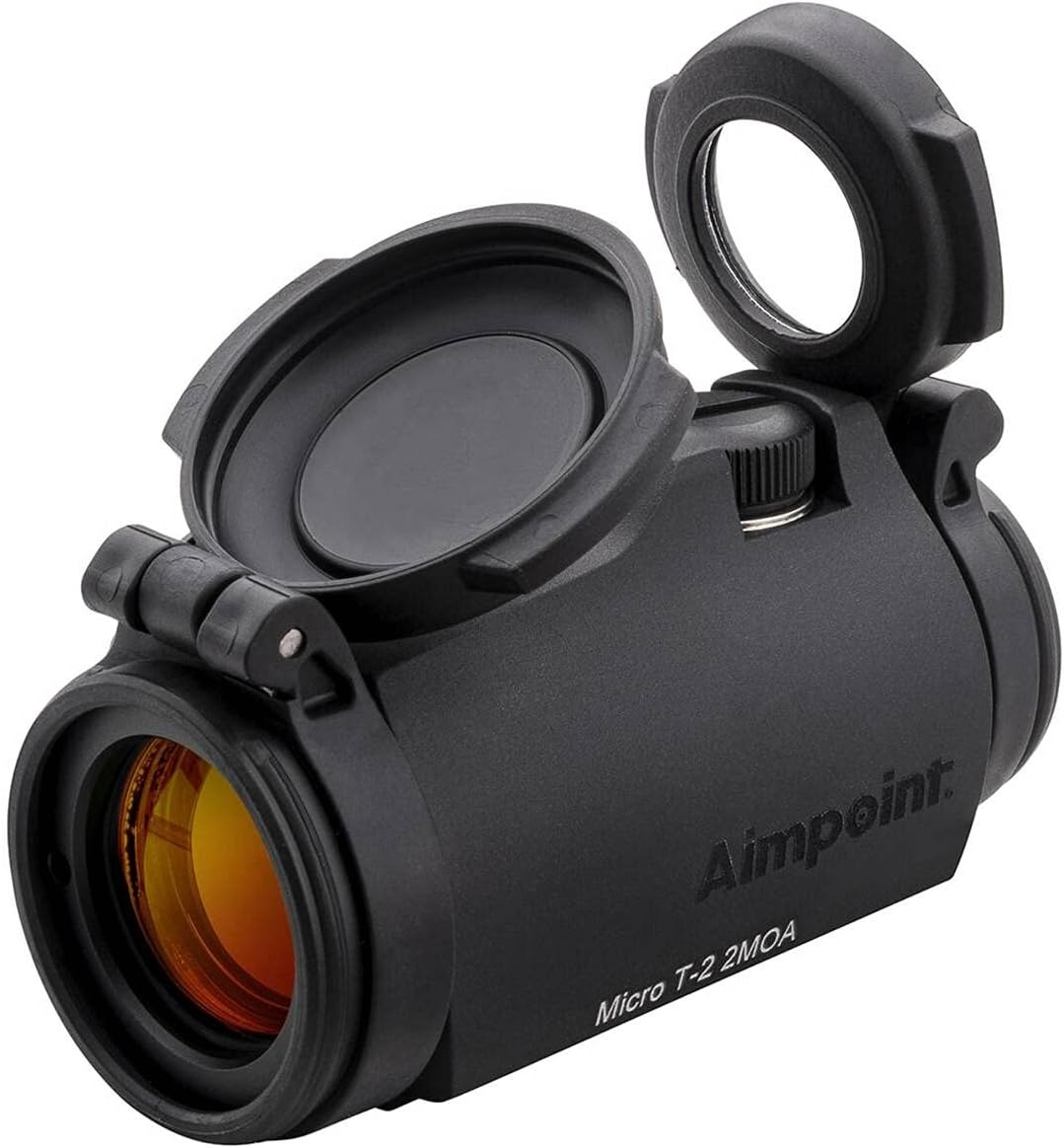
The Aimpoint Micro T-2 remains one of the most trusted rifle optics available, and it pairs extremely well with compact PCC platforms like the Banshee.
Specs
- Dot size: 2 MOA
- Battery: CR2032
- Battery life: ~50,000 hours
- Footprint: Aimpoint Micro
- NV settings: Yes
- Weight: 3 oz (optic only)
Pros
- Exceptional battery life
- Virtually indestructible housing
- Minimal parallax shift
- Extremely clear glass
Cons
- Expensive
- Smaller window than some PCC-specific optics
My hands-on notes
The Micro T-2 handles the Banshee recoil impulse without any issue. The internal emitter sits deep inside the tube which protects it from carbon buildup and debris. I’ve also noticed almost zero perceptible parallax shift at typical PCC distances (10–50 yards).
The lens tint is slightly blue, which is typical for Aimpoint coatings, but it improves contrast under bright sunlight. Button controls are firm and tactile even with gloves.
Deck height depends entirely on the mount you use. With a lower 1/3 mount, the optic gives a comfortable cheek weld and allows clean iron sight co-witness if desired.
What people say online
Most shooters on forums consistently report that the Micro series survives tens of thousands of rounds without losing zero. Many PCC competitors use it specifically because the electronics are extremely reliable.
Mounting clarity
Uses the Aimpoint Micro footprint, meaning it works with hundreds of aftermarket mounts including Scalarworks, ADM, and Unity options.
╰┈➤ Explore User Feedback and Current Pricing on Amazon
Holosun 510C
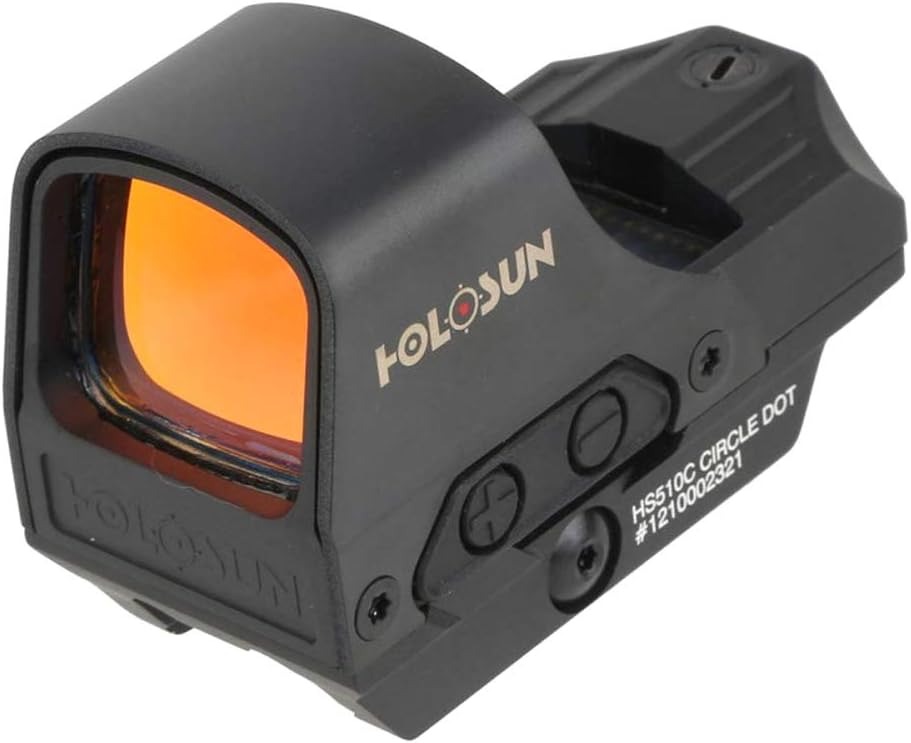
The Holosun 510C is one of my favorite optics for PCC shooting because of its extremely large viewing window.
Specs
- Dot size: 2 MOA
- Reticle: Dot or circle-dot
- Battery: CR2032 + solar
- Mount: Integrated Picatinny
- Housing: Aluminum with titanium hood
- NV compatible: Yes
Pros
- Huge window for fast transitions
- Circle-dot reticle ideal for PCC
- Solar backup system
- Excellent value
Cons
- Open emitter design
- Slightly heavier than micro optics
My hands-on notes
The massive window dramatically improves target acquisition during fast strings of fire. On the Banshee, especially in competition settings, this optic feels almost holographic in how quickly the reticle appears.
The emitter sits at the bottom of the window and can technically be occluded by debris, but in real range conditions I’ve rarely seen it become a problem.
Parallax performance is very good at typical PCC ranges. I tested it with aggressive off-axis head positions and the shift remained minimal.
Brightness buttons are large and easy to operate with gloves, which I appreciate during winter shooting.
What people say online
PCC shooters frequently recommend the 510C because the circle-dot reticle helps guide the eye quickly onto targets during rapid transitions.
Mounting clarity
The optic uses a built-in Picatinny mount, so installation on the Banshee’s top rail is straightforward with no adapter plates required.
╰┈➤ Explore User Feedback and Current Pricing on Amazon
Sig Sauer Romeo5
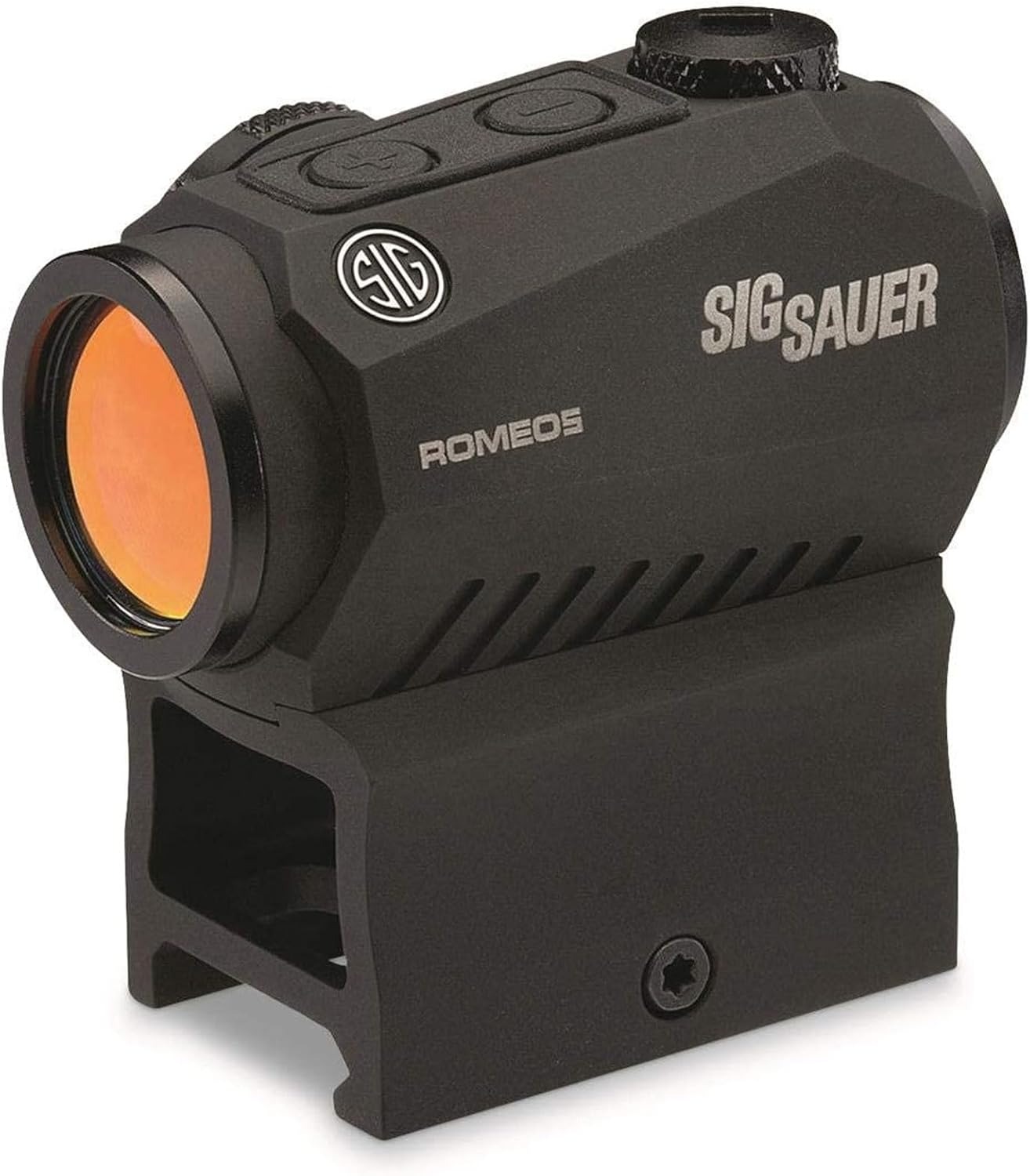
The Romeo5 is one of the most popular budget optics for AR platforms, and it surprisingly performs well on PCC rifles too.
Specs
- Dot size: 2 MOA
- Battery: CR2032
- Battery life: 40,000 hours
- Motion activation: Yes
- Mount: Picatinny
Pros
- Very affordable
- Motion-activated illumination
- Lightweight
- Good optical clarity
Cons
- Basic brightness controls
- Not as rugged as premium optics
My hands-on notes
For a budget optic, the Romeo5 handles recoil better than most shooters expect. I’ve run one through several hundred rounds of 9mm on a Banshee with no zero shift.
The lens has a mild green tint but remains clear enough for defensive shooting distances.
Button feel is decent but slightly mushy compared to premium optics. However, the motion-activated illumination is excellent—it instantly turns on when the rifle moves.
Parallax is noticeable at very close distances (under 10 yards), but that’s typical for budget red dots.
What people say online
Reddit and shooting forums often recommend the Romeo5 as the “starter optic” for PCC builds because it offers great value without major reliability issues.
Mounting clarity
Ships with a Picatinny mount that provides a lower-1/3 co-witness height out of the box.
╰┈➤ Explore User Feedback and Current Pricing on Amazon
Aimpoint Duty RDS
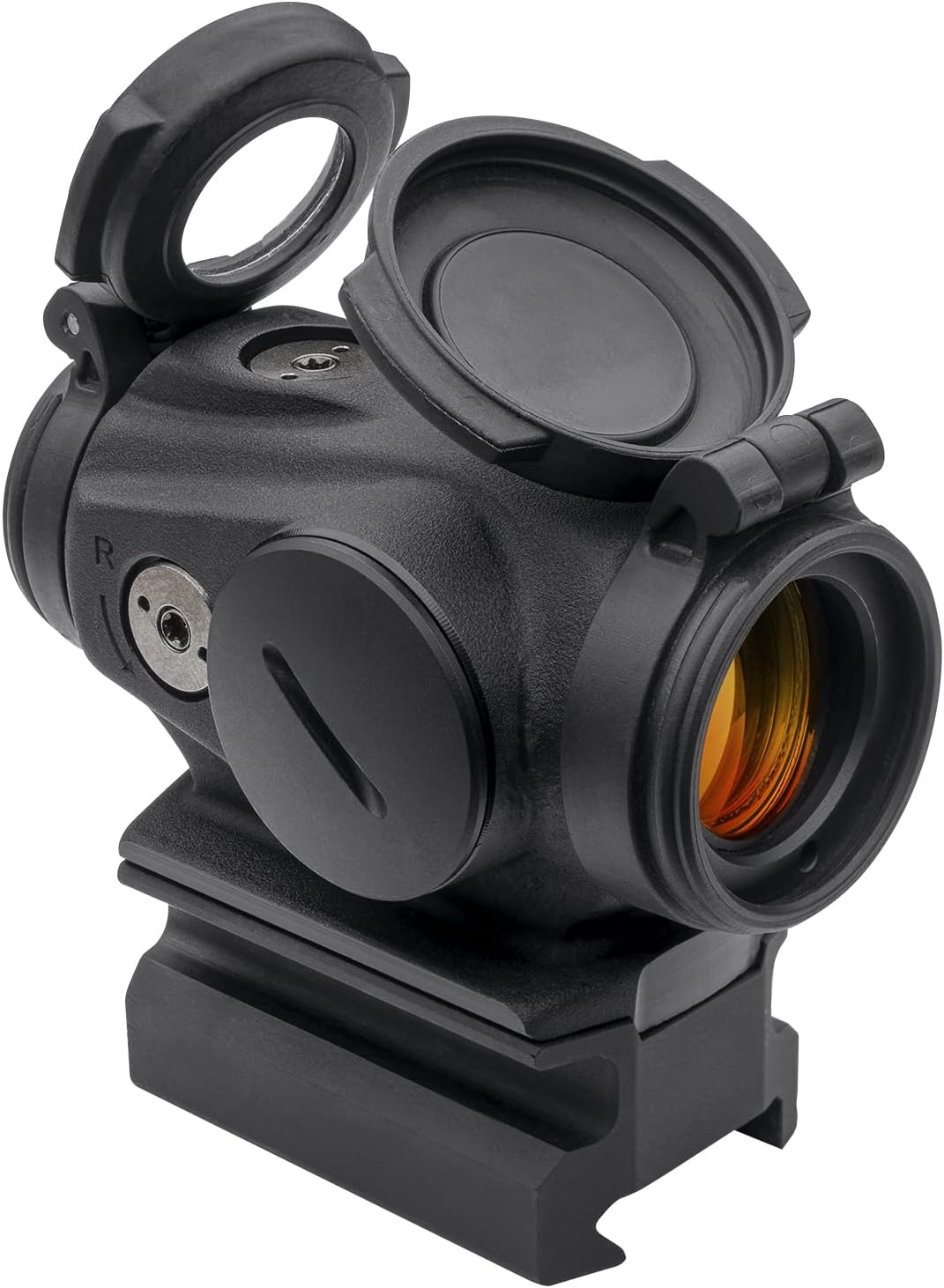
The Aimpoint Duty RDS was designed specifically for law enforcement rifles, and it’s one of the toughest red dots you can mount on a compact carbine.
Specs
- Dot size: 2 MOA
- Battery: CR2032
- Battery life: 30,000 hours
- NV settings: Yes
- Footprint: Aimpoint Micro
Pros
- Outstanding durability
- Extremely long battery life
- Minimal parallax
- Reliable electronics
Cons
- Higher price than mid-tier optics
- Slightly thicker housing
My hands-on notes
This optic feels almost overbuilt for a PCC. The aluminum housing is thick, and the internal emitter design is deeply recessed to prevent damage.
Brightness controls are a rotary dial, which I personally prefer over buttons. Even with gloves, it’s easy to adjust without looking.
Glass quality is excellent with minimal distortion near the edges of the window.
During recoil testing on a Banshee, the optic maintained zero perfectly. The deck height with a standard mount allows a comfortable lower-third co-witness.
What people say online
Many professional shooters consider the Duty RDS the “modern Aimpoint PRO”—a slightly more compact optic that still maintains legendary reliability.
Mounting clarity
Uses the Micro footprint, making it compatible with nearly every major aftermarket mount system.
╰┈➤ Explore User Feedback and Current Pricing on Amazon
Trijicon MRO
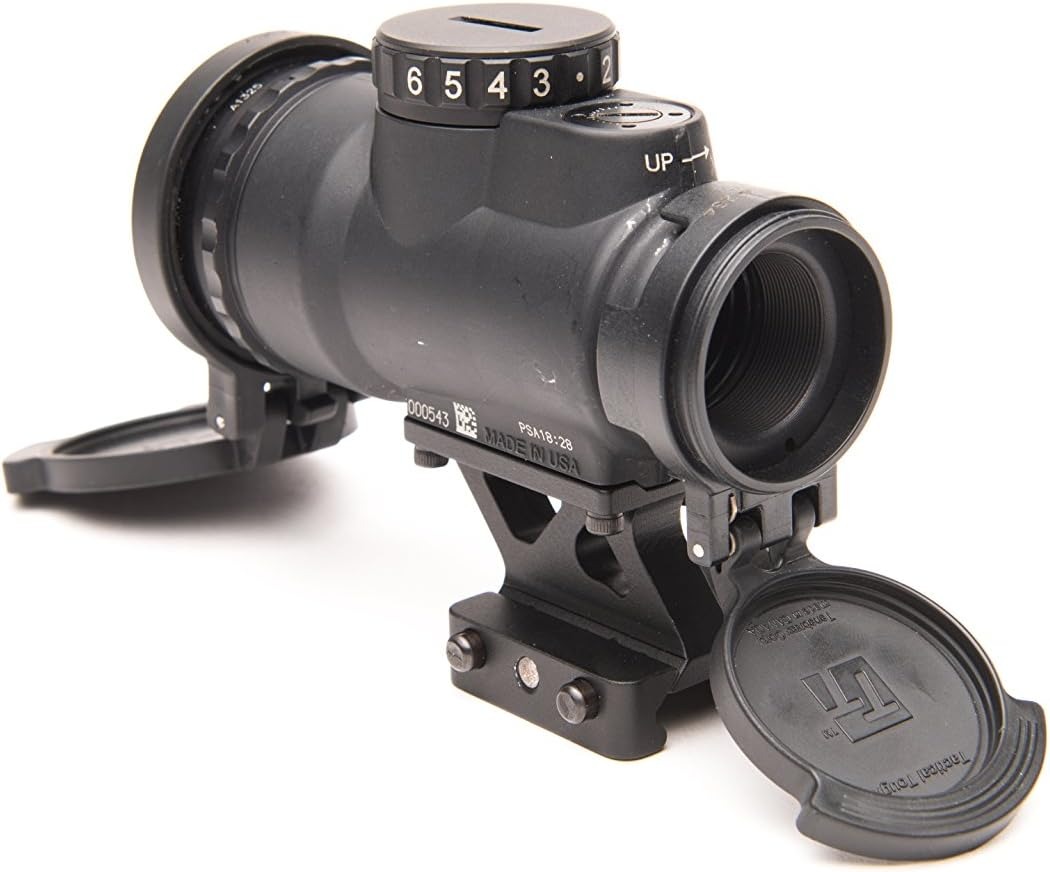
The Trijicon MRO is well known for its large field of view and strong durability.
Specs
- Dot size: 2 MOA
- Battery: CR2032
- Battery life: 5 years
- Objective diameter: 25mm
- Mount: MRO footprint
Pros
- Very large viewing area
- Rugged design
- Long battery life
- Excellent brightness range
Cons
- Slight magnification effect
- Mount ecosystem smaller than Micro footprint
My hands-on notes
The MRO’s wide objective lens makes it feel more open than traditional tube optics.
The emitter is partially shielded inside the housing, which reduces the chance of debris blocking the projection. Parallax performance is solid inside typical PCC distances.
One thing I notice is a slight magnification effect (around 1.05x). Some shooters dislike this, but it doesn’t bother me in practical shooting.
The rotary brightness dial is extremely tactile and easy to adjust with gloves.
What people say online
Competitive shooters often choose the MRO because the larger window helps track targets during transitions.
Mounting clarity
Requires an MRO-specific mount, but several manufacturers offer excellent options.
╰┈➤ Explore User Feedback and Current Pricing on Amazon
Primary Arms SLX MD-25
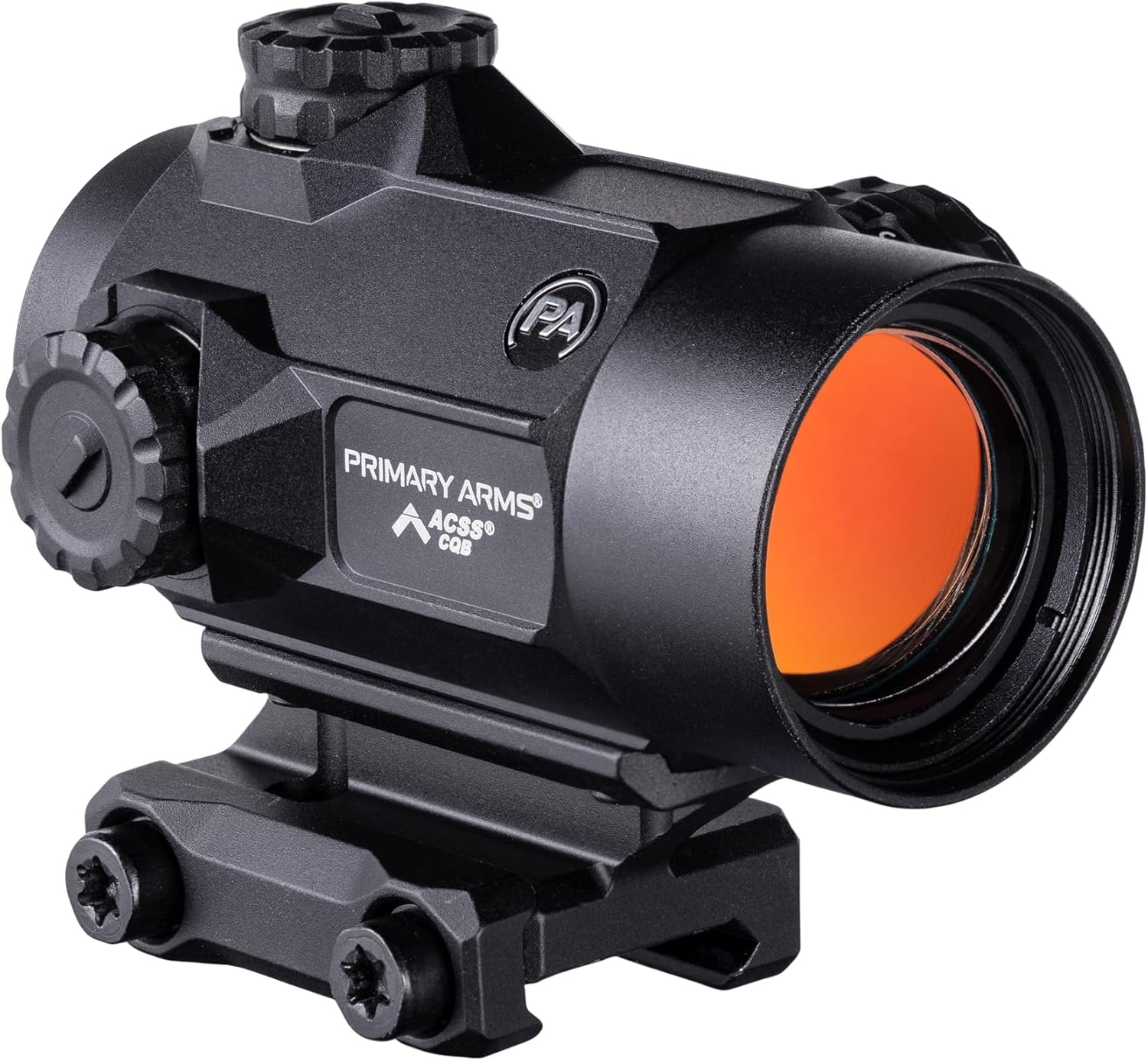
The Primary Arms SLX MD-25 is a larger-tube red dot that bridges the gap between micro optics and full-size rifle dots.
Specs
- Dot size: 2 MOA
- Objective: 25mm
- Battery: CR2032
- Battery life: 50,000 hours
- Mount: Aimpoint Micro footprint
Pros
- Large field of view
- Strong battery life
- Good price-to-performance ratio
- Compatible with Micro mounts
Cons
- Slightly heavier
- Glass tint slightly noticeable
My hands-on notes
The 25mm objective lens makes the optic feel extremely fast on a PCC. Compared to micro dots, target acquisition is noticeably easier during rapid transitions.
Lens tint is a bit warmer than Aimpoint glass, but it doesn’t interfere with shooting.
The emitter sits deep enough that debris rarely blocks it, and the overall housing feels sturdy.
Buttons are large and tactile with gloves. I’ve found the brightness range adequate even under strong sunlight.
What people say online
Many shooters consider this optic one of the best value options for rifles and PCC builds.
Mounting clarity
Because it uses the Micro footprint, you can mount it using nearly any Aimpoint-compatible base.
╰┈➤ Explore User Feedback and Current Pricing on Amazon
How I Tested / Evaluation Criteria
When evaluating optics for a PCC platform like the CMMG Banshee, I focus on several key performance areas.
Parallax
Parallax shift becomes noticeable during unconventional shooting positions. I tested optics by deliberately shifting head position off-axis while aiming at 25 yards. Optics with minimal reticle movement relative to the target scored higher.
Co-witness and deck height
Mounting height matters more than many shooters realize. A proper lower-third co-witness allows backup iron sights without cluttering the optic window. I evaluated how each optic aligned with standard AR-height sights.
Durability
PCC recoil can be surprisingly harsh. I looked at housing construction, emitter protection, and real-world reports of long-term reliability.
Battery performance
Optics designed for defensive rifles should remain on continuously. I prioritized optics capable of multi-year runtime.
Brightness range
A good optic must be visible in bright daylight while still dim enough for indoor use or night vision compatibility.
Glass quality
I inspected lens clarity, tint, and distortion near the edges of the window.
Control ergonomics
Buttons and dials must be easy to manipulate with gloves and without breaking firing grip.
Mounting ecosystem
Optics with common footprints provide greater flexibility for mount height and aftermarket accessories.
Why the Best Red Dot for CMMG Banshee Depends on Setup
Choosing an optic for this platform depends heavily on how you plan to run the rifle.
PCC competition shooters often prioritize large windows for faster target acquisition. In those cases, optics like the Holosun 510C or Primary Arms MD-25 offer a major advantage. The wider field of view allows shooters to maintain peripheral awareness while transitioning between targets.
For defensive or duty setups, reliability becomes the primary concern. Optics like the Aimpoint Micro T-2 or Duty RDS offer unmatched durability and extremely long battery life.
Another factor is mount height. The Banshee platform uses a standard AR rail height, so most shooters prefer a lower-third co-witness mount. This keeps iron sights available without cluttering the optic window.
Battery placement also matters. Top-loading battery compartments allow quick replacement without removing the optic, which prevents losing zero.
Finally, consider reticle style. Circle-dot reticles can be extremely effective on PCCs because they guide the eye toward the center quickly during fast shooting.
FAQs
1. What dot size works best on a PCC?
A 2 MOA dot offers the best balance between precision and speed.
2. Do PCC rifles require special optics?
Not necessarily, but they benefit from optics that handle sharper recoil impulses.
3. Should I use a magnifier on a Banshee?
Most shooters don’t. PCC engagements are typically under 100 yards.
4. Is an open emitter optic a problem?
For competition shooting, usually not. For duty use, enclosed emitters are safer.
5. What mounting height is ideal?
Lower-third co-witness is generally the most comfortable setup.
Conclusion
Selecting the Best Red Dot for CMMG Banshee ultimately comes down to balancing durability, window size, and mounting compatibility.
For maximum reliability, the Aimpoint Micro T-2 or Duty RDS remain outstanding choices. If speed and a large viewing window matter more—especially for PCC competitions—the Holosun 510C or Primary Arms MD-25 deliver excellent performance.
The good news is that the Banshee platform works well with many modern red dots. As long as the optic can handle the recoil impulse and provides a clear window with minimal parallax shift, it will perform extremely well on this compact and versatile carbine.