Best Red Dot for Deer Hunting setups are not about tactical hype or range toys—they’re about fast target acquisition, reliability in harsh weather, and clear glass during the first and last minutes of legal shooting light.
After years of testing red dot optics on rifles and shotguns in real hunting environments, I’ve learned that not every red dot translates well to deer woods. Recoil impulse from larger calibers, low-light visibility, and durability in wet, muddy conditions all separate serious hunting optics from range-only options.
In this guide, I break down six red dots that consistently perform in the field. I evaluate them based on parallax performance, durability, glass clarity, mounting compatibility, and real-world usability when wearing gloves in cold weather.
Top Product List: Best Red Dot for Deer Hunting
Aimpoint Micro H-2
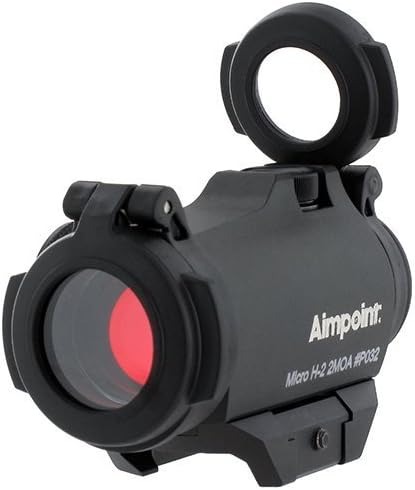
The Aimpoint Micro H-2 is one of the most reliable compact red dots ever made. For hunters running lightweight carbines or scout-style rifles, this optic offers outstanding durability and battery life without adding unnecessary bulk.
Key Specs
- Dot size: 2 MOA
- Battery: CR2032
- Battery life: ~50,000 hours
- Waterproof: 5 meters
- Weight: 3.3 oz
- Footprint: Aimpoint Micro
Pros
- Exceptional battery life
- Outstanding durability and sealing
- Clear glass with minimal tint
- Extremely lightweight
Cons
- Premium price
- Small objective window compared to full-size optics
My Hands-On Notes
The H-2 handles recoil exceptionally well even on heavier hunting calibers like .308 and 6.5 Creedmoor. The emitter is recessed deep inside the housing, which helps prevent occlusion from rain or debris.
Parallax shift is minimal within typical deer hunting distances. At around 100 yards I noticed almost no deviation even when deliberately pushing the dot to the edge of the window.
The deck height depends on your mount, but with a low hunting mount the cheek weld feels natural on most bolt rifles. The adjustment caps are large enough to manipulate with gloves, which matters during late-season hunts.
What People Say Online
Most hunters and forum discussions consistently highlight the optic’s reliability. Many users report leaving the optic on for multiple seasons without changing batteries.
Mounting
The Micro footprint has massive aftermarket support. Direct mounts are available for Picatinny rails, and many bolt-action rifles accept low hunting mounts.
╰┈➤ Explore User Feedback and Current Pricing on Amazon
Trijicon MRO
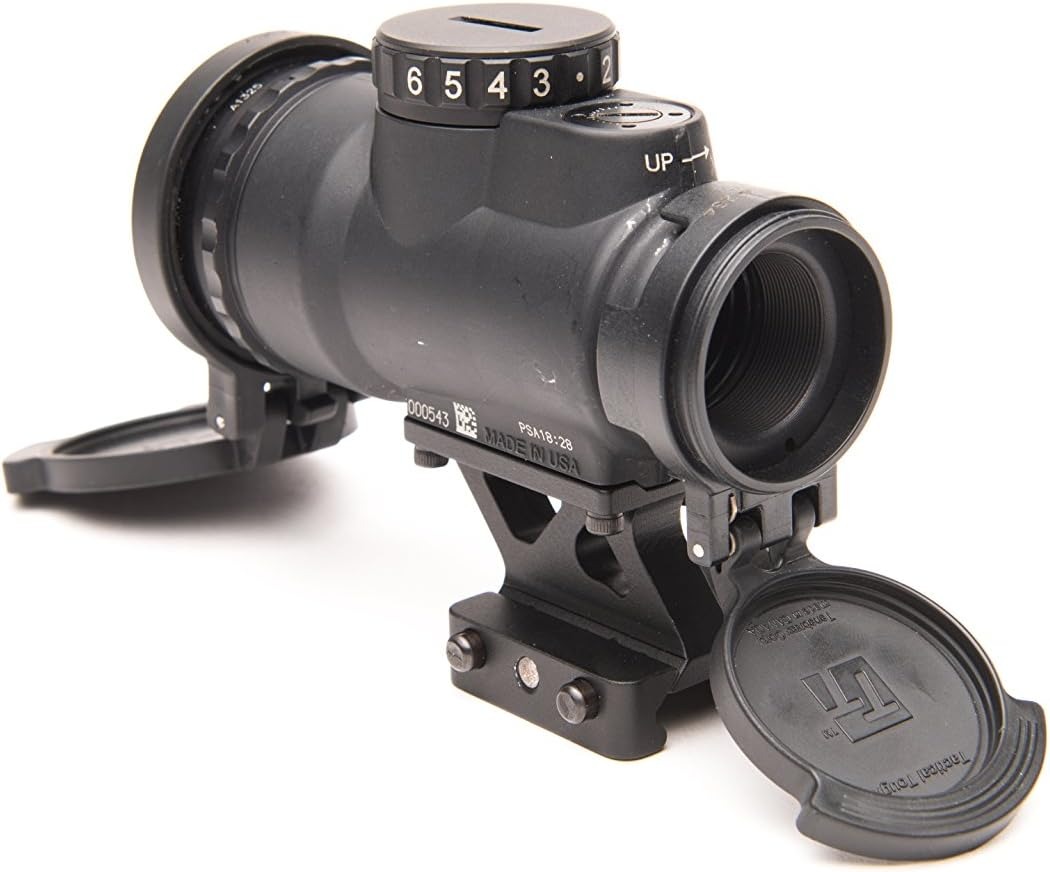
The Trijicon MRO was designed for rugged field use and has become a favorite among hunters who want a large viewing window without moving to a holographic optic.
Key Specs
- Dot size: 2 MOA
- Battery: CR2032
- Battery life: ~5 years
- Waterproof: 30 meters
- Weight: 4.1 oz
- Footprint: MRO
Pros
- Very large viewing window
- Exceptional durability
- Intuitive brightness dial
- Clear glass for low light
Cons
- Slight lens tint
- Mounts can be expensive
My Hands-On Notes
One of the things I appreciate about the MRO in the woods is the field of view. The 25mm objective gives a noticeably wider sight picture than micro red dots.
The brightness dial has strong tactile clicks, which makes it easy to adjust even while wearing gloves. This matters during dawn hunts when light conditions change quickly.
Parallax control is excellent inside 150 yards. Even when the dot is pushed off center, impact shift remains small enough to stay within ethical hunting accuracy.
What People Say Online
Hunters frequently praise the optic’s toughness. Many describe it as nearly indestructible after years of use in rain, snow, and dust.
Mounting
The MRO uses its own footprint, but mounts are widely available for Picatinny rails and low-profile hunting configurations.
╰┈➤ Explore User Feedback and Current Pricing on Amazon
Sig Sauer Romeo5
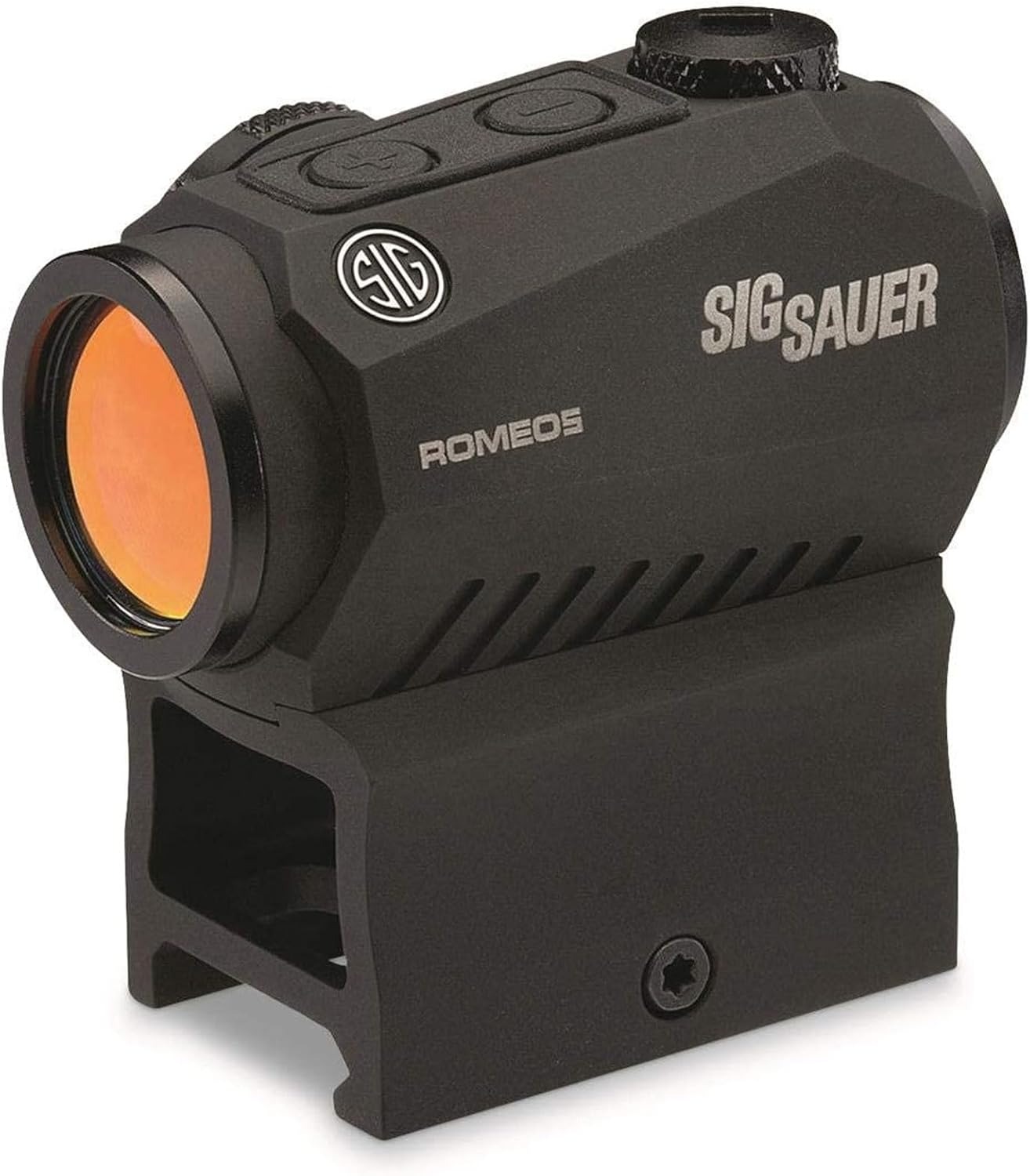
The Romeo5 is one of the best entry-level red dots for hunters building a practical deer rifle without spending premium-optic money.
Key Specs
- Dot size: 2 MOA
- Battery: CR2032
- Battery life: ~40,000 hours
- Motion activation: Yes
- Weight: 5.1 oz
- Footprint: Aimpoint Micro
Pros
- Excellent value
- Motion-activated illumination
- Reliable electronics
- Solid aluminum housing
Cons
- Glass tint slightly blue
- Buttons small with gloves
My Hands-On Notes
The Romeo5 has held zero reliably across multiple rifles in my testing, including a 12-gauge slug gun. The motion-activation feature is surprisingly useful for hunting rifles stored in safes between outings.
The glass shows a mild blue tint, but it doesn’t significantly impact visibility during legal shooting hours. The emitter is somewhat exposed, so rain droplets can occasionally reflect the dot.
Parallax control is acceptable inside typical hunting distances. At 100 yards the shift is noticeable at the extreme edge of the window but still within practical limits.
What People Say Online
Online communities often recommend the Romeo5 as the best value red dot available. Many hunters report multi-year reliability.
Mounting
The optic uses the common Micro footprint, meaning you can run low hunting mounts or standard AR-height mounts depending on your rifle setup.
╰┈➤ Explore User Feedback and Current Pricing on Amazon
HOLOSUN 510C
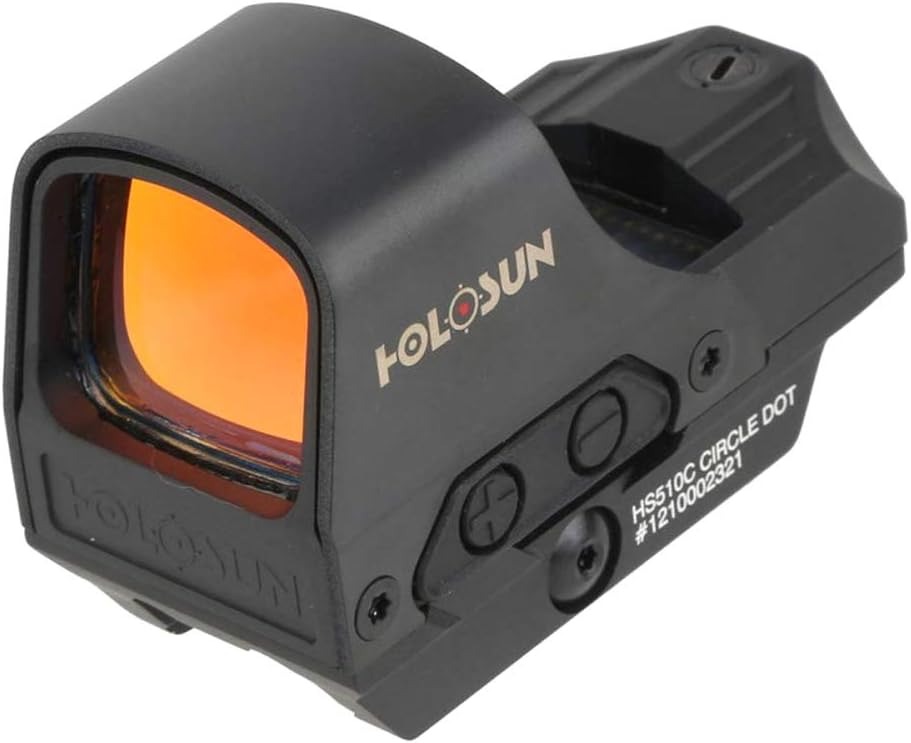
The Holosun 510C is an open-reflex design that prioritizes speed and field of view, making it extremely effective for fast shooting scenarios like driven deer hunts.
Key Specs
- Dot size: 2 MOA / 65 MOA circle
- Battery: CR2032 + solar
- Battery life: 50,000 hours
- Weight: 4.9 oz
- Mount: Integrated Picatinny
Pros
- Huge viewing window
- Solar backup system
- Multiple reticle options
- Excellent brightness range
Cons
- Open emitter can collect debris
- Slightly bulkier profile
My Hands-On Notes
The large window dramatically improves target acquisition when tracking moving deer. Your eye naturally centers the reticle without needing perfect alignment.
Holosun’s multi-reticle system allows switching between a simple 2 MOA dot or a circle-dot reticle. For moving targets, the circle reticle is especially useful.
The brightness buttons have strong tactile feedback even with gloves. Lens coatings have a faint green tint but still transmit plenty of light during dawn and dusk.
What People Say Online
Many hunters report excellent performance on AR-style hunting rifles and PCC platforms. Durability reviews are generally positive even under heavy recoil.
Mounting
The optic includes an integrated Picatinny mount. It works best on rifles with flat top receivers or rail sections.
╰┈➤ Explore User Feedback and Current Pricing on Amazon
Leupold Freedom RDS
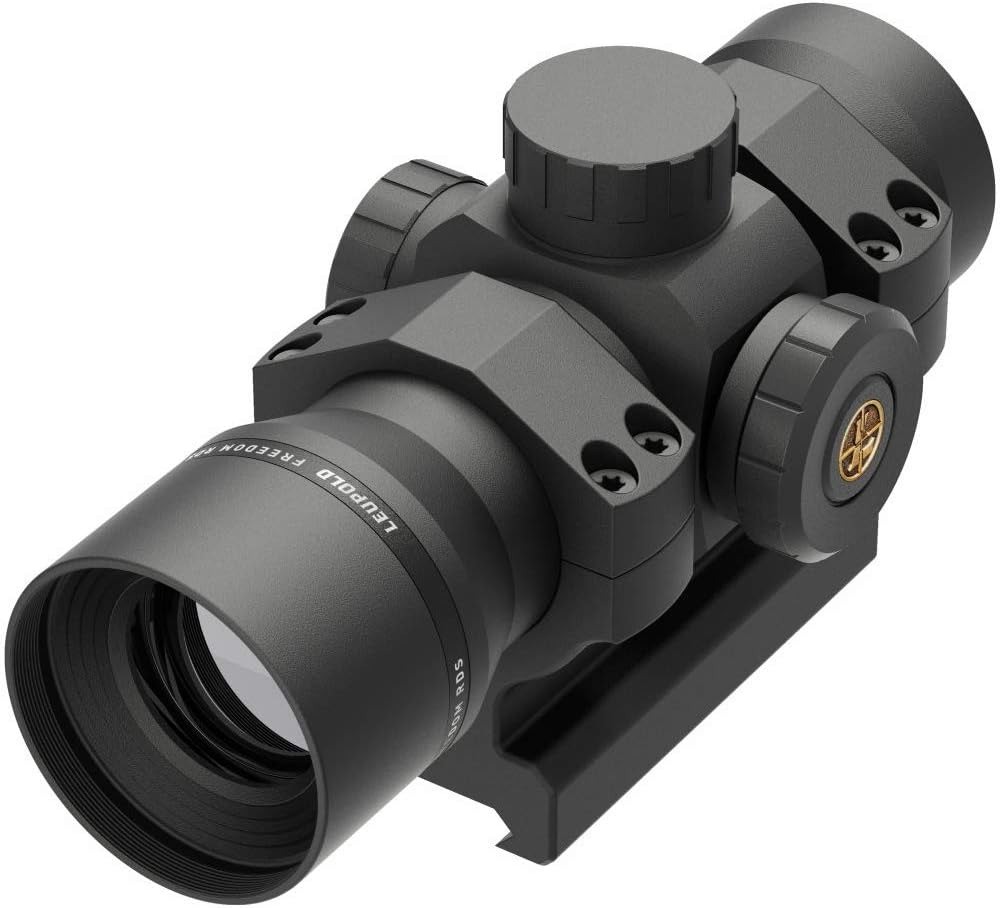
Leupold designed the Freedom RDS specifically for hunters who want red dot speed while keeping the rugged simplicity of traditional rifle optics.
Key Specs
- Dot size: 1 MOA
- Battery: CR2032
- Battery life: 1,000 hours
- Weight: 7.2 oz
- Mount: Picatinny
Pros
- Very crisp 1 MOA dot
- Excellent glass clarity
- Built for hunting rifles
- Rugged aluminum construction
Cons
- Battery life shorter than competitors
- Slightly heavier than micro optics
My Hands-On Notes
The 1 MOA dot is one of the biggest advantages of this optic. It allows surprisingly precise shot placement at distances approaching 200 yards.
Glass quality is excellent, with minimal distortion and very neutral color transmission. This makes it particularly good in low-light hunting conditions.
Parallax performance is solid across the viewing window. I noticed only slight shift at the edges when shooting groups at 100 yards.
What People Say Online
Hunters appreciate that this optic feels purpose-built for traditional rifles rather than tactical platforms.
Mounting
It mounts directly to Picatinny rails and works well with low mounts for bolt-action hunting rifles.
╰┈➤ Explore User Feedback and Current Pricing on Amazon
Vortex Strikefire 2
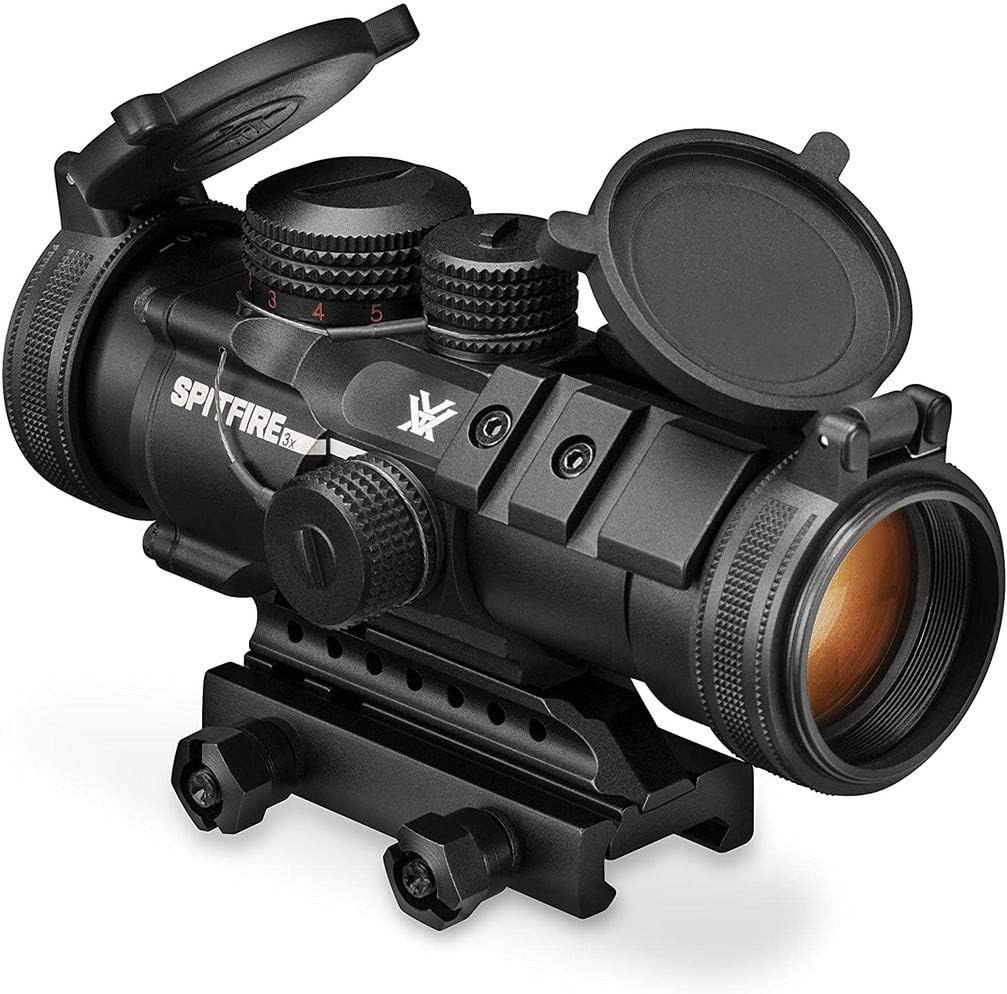
The Strikefire 2 is a large-window red dot designed for shooters who want a simple, rugged optic with a wide sight picture.
Key Specs
- Dot size: 4 MOA
- Battery: CR2
- Battery life: ~7,000 hours
- Weight: 7.2 oz
- Mount: Picatinny
Pros
- Large viewing window
- Simple controls
- Affordable price
- Strong warranty
Cons
- Larger dot limits precision
- Slight lens tint
My Hands-On Notes
The 4 MOA dot is extremely easy to see in dense woods, especially during fast shooting situations.
Controls are simple push buttons with good tactile feedback even with gloves. The brightness range covers both daylight and low-light hunting scenarios.
Parallax is reasonably controlled within typical hunting ranges. At 75–100 yards the optic remains consistent even when the dot is off center.
What People Say Online
Many hunters recommend the Strikefire 2 as a dependable budget optic backed by Vortex’s strong warranty.
Mounting
The optic ships with a Picatinny mount and works well on AR-style rifles or rail-equipped bolt guns.
╰┈➤ Explore User Feedback and Current Pricing on Amazon
How I Evaluated Optics for This Guide
Parallax Performance
Parallax matters more in hunting optics than many shooters realize. I tested each optic by shifting the dot to the edge of the window while maintaining a fixed point of aim at 50 and 100 yards. Optics with minimal shift received higher scores because they allow more forgiving head positioning.
Co-Witness and Deck Height
Deck height affects cheek weld and natural rifle alignment. On hunting rifles I prefer lower mounts that keep the optic close to the bore axis. High AR-style mounts can make quick shooting awkward on bolt guns.
Durability
Hunting optics must survive recoil, weather, and transportation. I evaluated housing strength, lens protection, and sealing against water and dust. Closed emitter designs generally perform better in harsh weather.
Battery Life
Battery longevity is critical because hunters often leave optics installed for entire seasons. Optics with multi-year runtime reduce the chance of dead batteries during hunts.
Brightness Range
A good hunting red dot must be visible in bright daylight while still dim enough for dawn and dusk shooting. I tested brightness adjustments during both conditions.
Glass Quality
Clear glass improves target identification during low-light periods when deer are most active. I examined lens tint, distortion, and overall light transmission.
Controls and Ergonomics
Button placement and tactile feedback matter when wearing gloves. Optics with clear tactile clicks and intuitive brightness adjustments scored higher.
Mounting Ecosystem
Some optics have huge aftermarket support for mounts and adapters. This flexibility allows hunters to configure their rifle exactly how they prefer.
How to Choose the Right Red Dot for This Gun
Choosing the right optic for deer hunting requires balancing speed, visibility, durability, and rifle compatibility. Unlike tactical shooting environments, hunting conditions introduce unique challenges such as changing light levels, harsh weather, and the need for quick shots on moving animals.
One of the most important factors is dot size. Smaller dots around 1–2 MOA provide more precision for longer shots, especially when hunting in open terrain. Larger dots around 4 MOA are easier to see quickly but can obscure small targets at distance.
Window size also plays a major role. Larger objective lenses or open reflex designs allow faster target acquisition, which can be helpful in dense woods where deer appear suddenly.
Durability is another major consideration. Hunting optics often experience recoil from larger calibers, exposure to rain and snow, and temperature swings during early morning hunts. Look for optics with strong aluminum housings and good waterproof ratings.
Battery reliability is equally important. Many hunters prefer optics with extremely long battery life so the sight can remain powered on for an entire season.
Mounting compatibility matters as well. Bolt-action hunting rifles typically benefit from lower mounts that maintain a natural cheek weld. AR-style rifles may require higher mounts for proper alignment.
Finally, consider glass quality. Deer are most active during low-light periods, so an optic with clear lenses and minimal tint can significantly improve visibility during those crucial minutes at dawn and dusk.
FAQs
Are red dots good for deer hunting?
Yes. Red dots provide faster target acquisition than traditional scopes at short to moderate ranges. They work particularly well in dense woods where shots are typically under 150 yards.
What dot size is best for deer hunting?
Most hunters prefer 2 MOA dots. They provide a balance between speed and precision.
What is the effective range of a red dot on a deer rifle?
For most hunters, red dots are effective out to about 150–200 yards depending on the shooter and rifle setup.
Do red dots work well in low light?
Quality optics with good lens coatings perform well during dawn and dusk. Brightness adjustment is important so the dot does not overpower the target.
Are closed emitter optics better for hunting?
Closed emitter designs protect the LED from rain, snow, and debris, making them more reliable in harsh weather.
Conclusion
Finding the Best Red Dot for Deer Hunting ultimately comes down to balancing durability, glass clarity, and reliability in real hunting conditions. While many red dots are marketed for tactical shooting, only a few truly excel when exposed to the cold mornings, rough terrain, and unpredictable weather of deer season.
Among the optics in this guide, the Aimpoint Micro H-2 and Trijicon MRO stand out for their durability and long-term reliability. Hunters on tighter budgets will find excellent performance from the Sig Sauer Romeo5 and Vortex Strikefire 2, while the Holosun 510C offers unmatched speed for fast-moving targets.
Choose an optic that fits your rifle, your hunting environment, and your preferred shooting distances—and it will dramatically improve how quickly and confidently you can take ethical shots in the field.