Best Red Dot for SW9VE setups require a slightly different approach than modern optics-ready pistols. The Smith & Wesson Sigma series predates the current red-dot craze, meaning most shooters must use a mounting plate that replaces the rear sight or a dovetail adapter. That makes footprint compatibility, optic weight, and deck height extremely important.
Over the years, I’ve tested dozens of pistol optics on older handguns like the SW9VE. Some work surprisingly well, while others sit too high or struggle with the recoil impulse of the Sigma platform. In this guide, I break down six red dot sights that balance durability, window clarity, and realistic mounting options.
The goal isn’t just listing specs. I’m focusing on optics that maintain zero, handle slide-mounted recoil, and still provide a usable co-witness when paired with a dovetail mount.
Top Product List: Best Red Dot for SW9VE
Burris FastFire 3
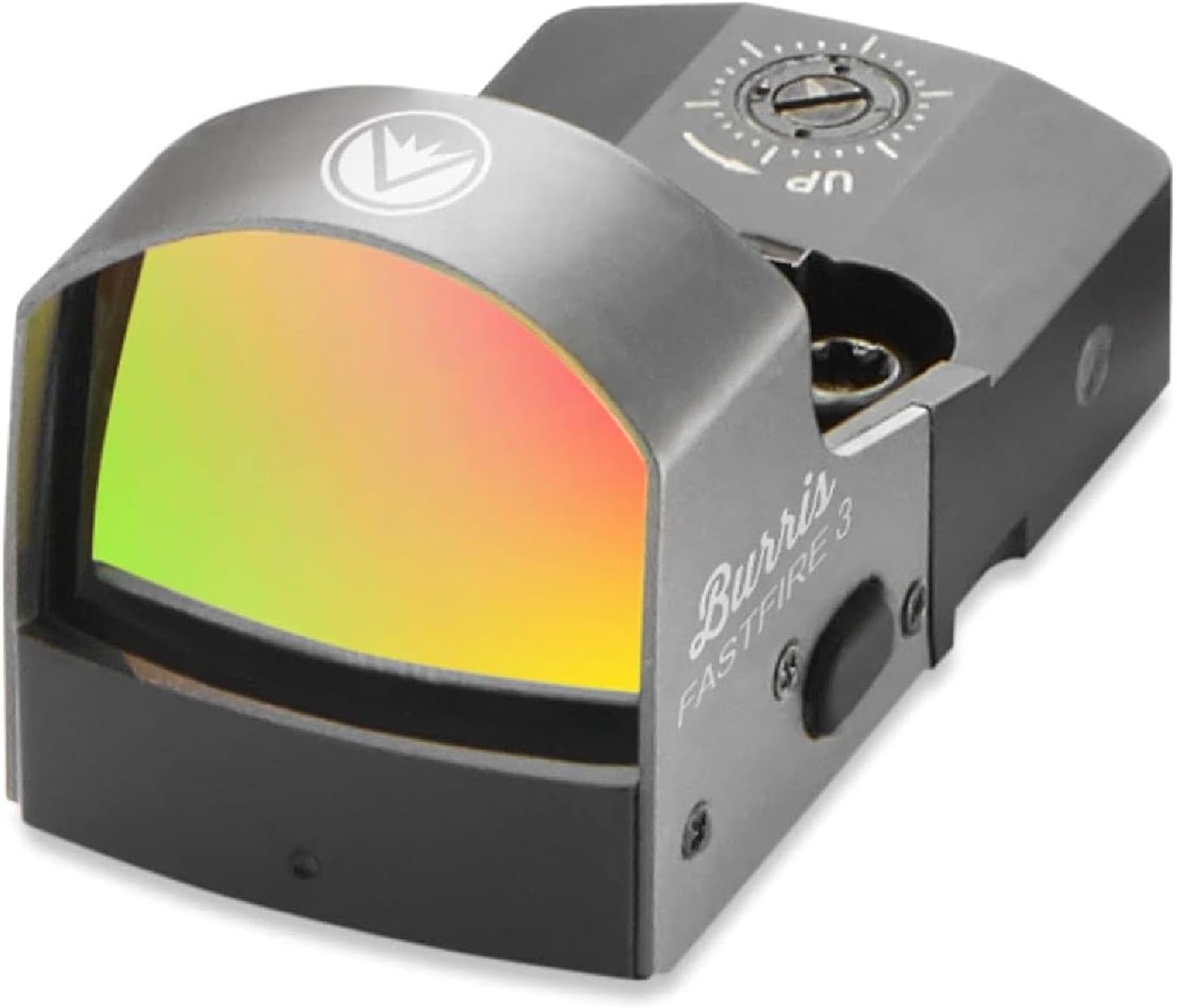
The Burris FastFire 3 remains one of the most common entry-level pistol optics and it pairs surprisingly well with older pistols using a dovetail adapter. Its lightweight design helps reduce slide stress.
Specs
- Dot size: 3 MOA
- Battery: CR1632 (top loading)
- Footprint: Docter/Noblex
- Weight: 0.9 oz
- Brightness: 3 manual + auto
- Construction: aluminum housing
Pros
- Extremely lightweight
- Large viewing window
- Top-load battery design
- Affordable price point
Cons
- Open emitter collects debris
- Not as durable as duty optics
- Auto brightness can be inconsistent
My Hands-On Notes
The FastFire 3 works well on dovetail mounts because of its low deck height. Parallax shift is minimal at typical pistol distances, though I noticed slight deviation when the dot approached the edge of the lens. The window has a mild blue tint but remains clear enough for quick target acquisition.
Co-witnessing depends on the mount. With most SW9VE adapters, you’ll get a lower-third reference with suppressor-height sights.
Button tactility is decent but slightly mushy when wearing gloves. The emitter can also become partially occluded if lint or carbon builds up inside the housing.
What People Say Online
Forums like AR15.com and Reddit often recommend the FastFire 3 for budget pistol builds. Most shooters appreciate the price-to-performance ratio, though durability isn’t on the level of premium optics.
Mounting
Requires a Docter-pattern dovetail plate for the SW9VE.
╰┈➤ Explore User Feedback and Current Pricing on Amazon
Holosun 407C
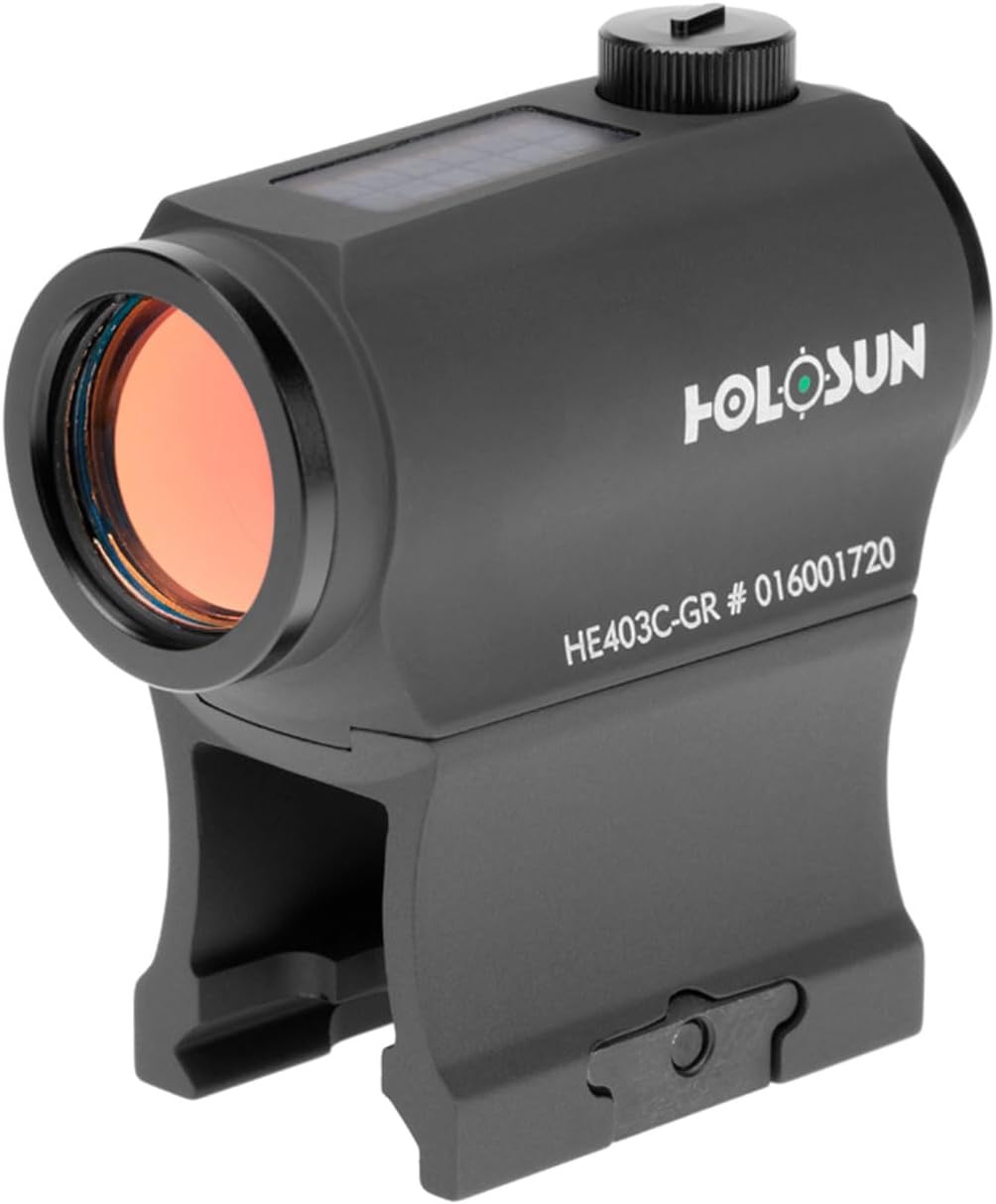
The Holosun 407C is one of the most balanced pistol optics available. It offers RMR footprint compatibility, strong durability, and excellent battery life.
Specs
- Dot size: 2 MOA
- Battery: CR1632
- Footprint: RMR
- Weight: 1.5 oz
- Brightness: 10 daylight + 2 NV
- Housing: 7075 aluminum
Pros
- Excellent durability for the price
- Long battery life
- Crisp 2 MOA dot
- Solar backup system
Cons
- Slight green lens tint
- Slightly heavier than micro dots
- Battery change requires removal
My Hands-On Notes
The 407C has one of the clearest emitters in its price class. Parallax performance is excellent; the dot stays relatively stable across the viewing window even during rapid fire.
The side buttons are tactile enough to operate with gloves, which matters for defensive setups. I also appreciate the wide brightness range — the lowest settings work with night vision while the highest remains visible in direct sunlight.
Recoil impulse from the Sigma slide didn’t cause any issues during testing.
What People Say Online
Across pistol forums, the 407C is widely recommended as the “best value RMR-footprint optic.” Users frequently mention its durability compared to similarly priced competitors.
Mounting
Works with RMR-pattern dovetail plates designed for the SW9VE.
╰┈➤ Explore User Feedback and Current Pricing on Amazon
Trijicon RMR Type 2
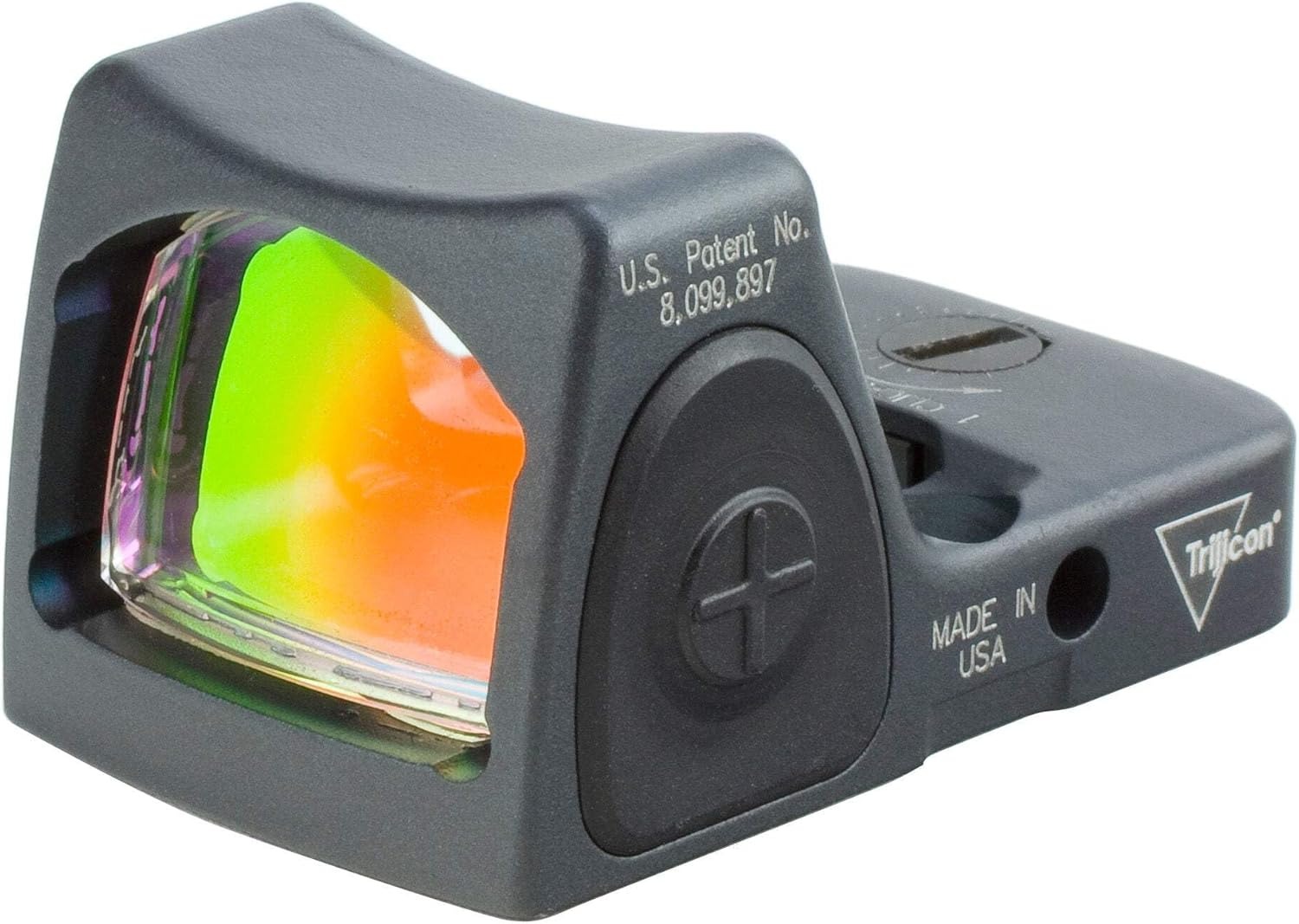
If durability is your priority, the RMR Type 2 is still the gold standard for pistol optics.
Specs
- Dot size: 3.25 MOA
- Battery: CR2032
- Footprint: RMR
- Weight: 1.2 oz
- Housing: forged aluminum
- Brightness: automatic + manual
Pros
- Exceptional durability
- Outstanding recoil resistance
- Proven military use
- Clear glass with minimal distortion
Cons
- Expensive
- Bottom-load battery
- Smaller window than SRO-style optics
My Hands-On Notes
The RMR’s housing shape isn’t just aesthetic — it directs recoil forces away from the lens. That’s why it survives thousands of slide cycles.
Parallax shift is extremely minimal. The dot remains usable even when positioned near the lens edge. The lens tint is slightly blue but helps improve contrast outdoors.
Button controls are recessed but still usable with gloves.
What People Say Online
Most shooters consider the RMR the benchmark for durability. Even after years of use, it remains one of the most trusted duty pistol optics.
Mounting
Compatible with any RMR-pattern SW9VE dovetail adapter.
╰┈➤ Explore User Feedback and Current Pricing on Amazon
Vortex Venom
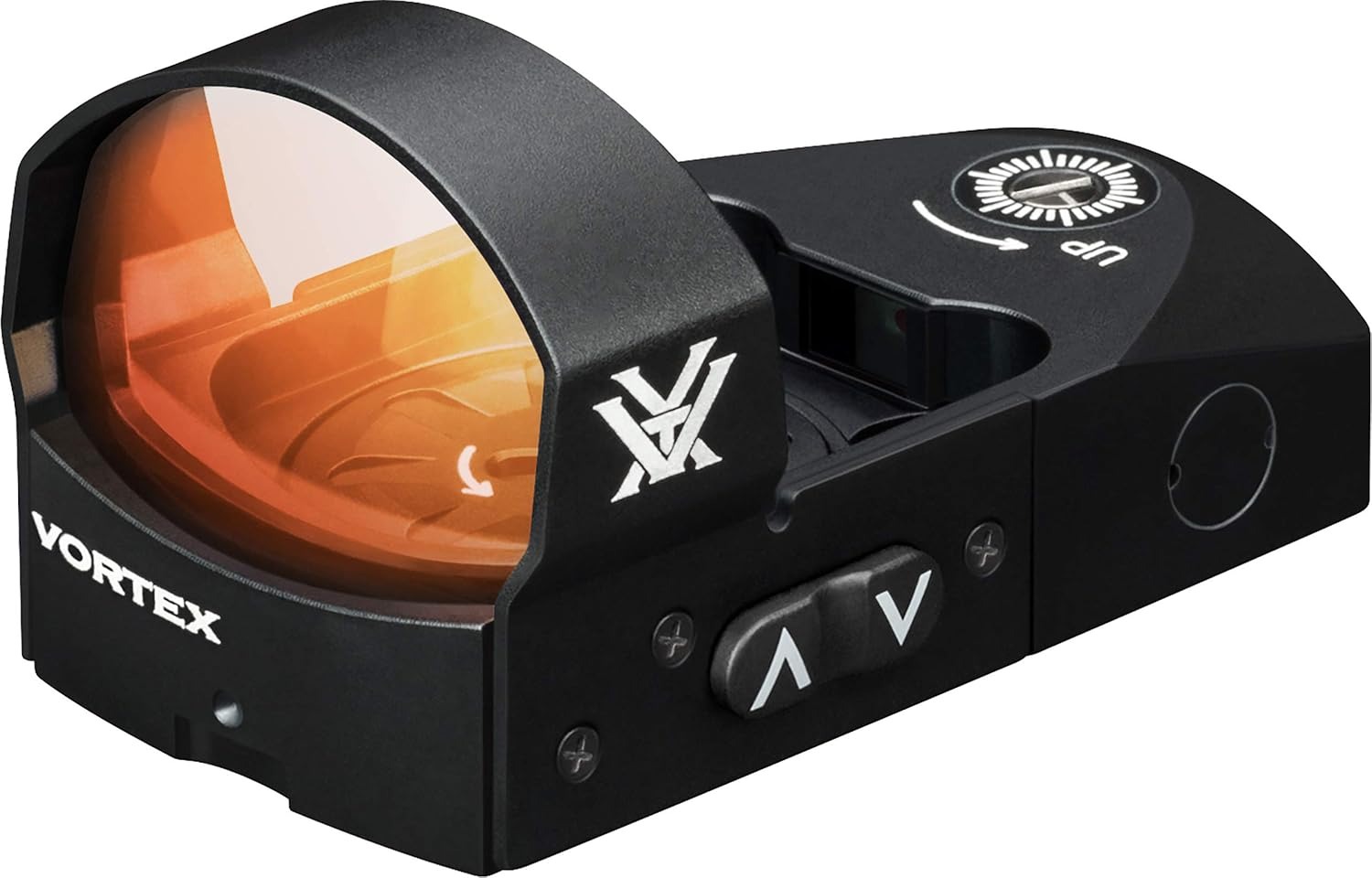
The Vortex Venom is known for its large viewing window and extremely clear glass.
Specs
- Dot size: 3 MOA
- Battery: CR1632 (top load)
- Footprint: Docter
- Weight: 1.1 oz
- Brightness: 10 levels
Pros
- Very large window
- Excellent glass clarity
- Top-loading battery
- Strong warranty
Cons
- Slight emitter glare at high brightness
- Not as rugged as RMR
- Controls slightly recessed
My Hands-On Notes
The Venom’s window is noticeably larger than many competitors. That makes it easier to track the dot during recoil.
Parallax is acceptable for pistol distances, though edge distortion becomes noticeable if the dot moves toward the frame. Lens coatings are neutral with minimal tint.
Buttons feel firm but require deliberate pressure when wearing gloves.
What People Say Online
Many shooters recommend the Venom for competition or recreational shooting because of its large viewing window.
Mounting
Works with Docter-pattern Sigma dovetail plates.
╰┈➤ Explore User Feedback and Current Pricing on Amazon
Swampfox Liberty
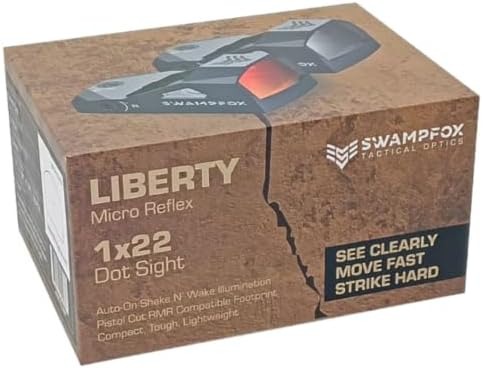
Swampfox built the Liberty specifically to compete with mid-range pistol optics while maintaining RMR compatibility.
Specs
- Dot size: 3 MOA
- Battery: CR1632
- Footprint: RMR
- Weight: 1 oz
- Brightness: 10 manual
Pros
- Large viewing window
- RMR compatibility
- Strong price-to-performance
- Good brightness range
Cons
- Slightly thicker housing
- Battery requires removal
- Limited night vision support
My Hands-On Notes
The Liberty’s wide window improves dot tracking under recoil. Parallax behavior is comparable to the 407C — very usable across the lens.
Lens tint is slightly warm but doesn’t affect clarity. The emitter remains visible even in bright daylight without bloom.
Buttons are easy to feel with gloves thanks to raised rubber pads.
What People Say Online
Reddit threads frequently highlight the Liberty as a solid alternative to more expensive RMR optics.
Mounting
Uses the RMR footprint, making it compatible with most SW9VE adapter plates.
╰┈➤ Explore User Feedback and Current Pricing on Amazon
Primary Arms SLX RS-10
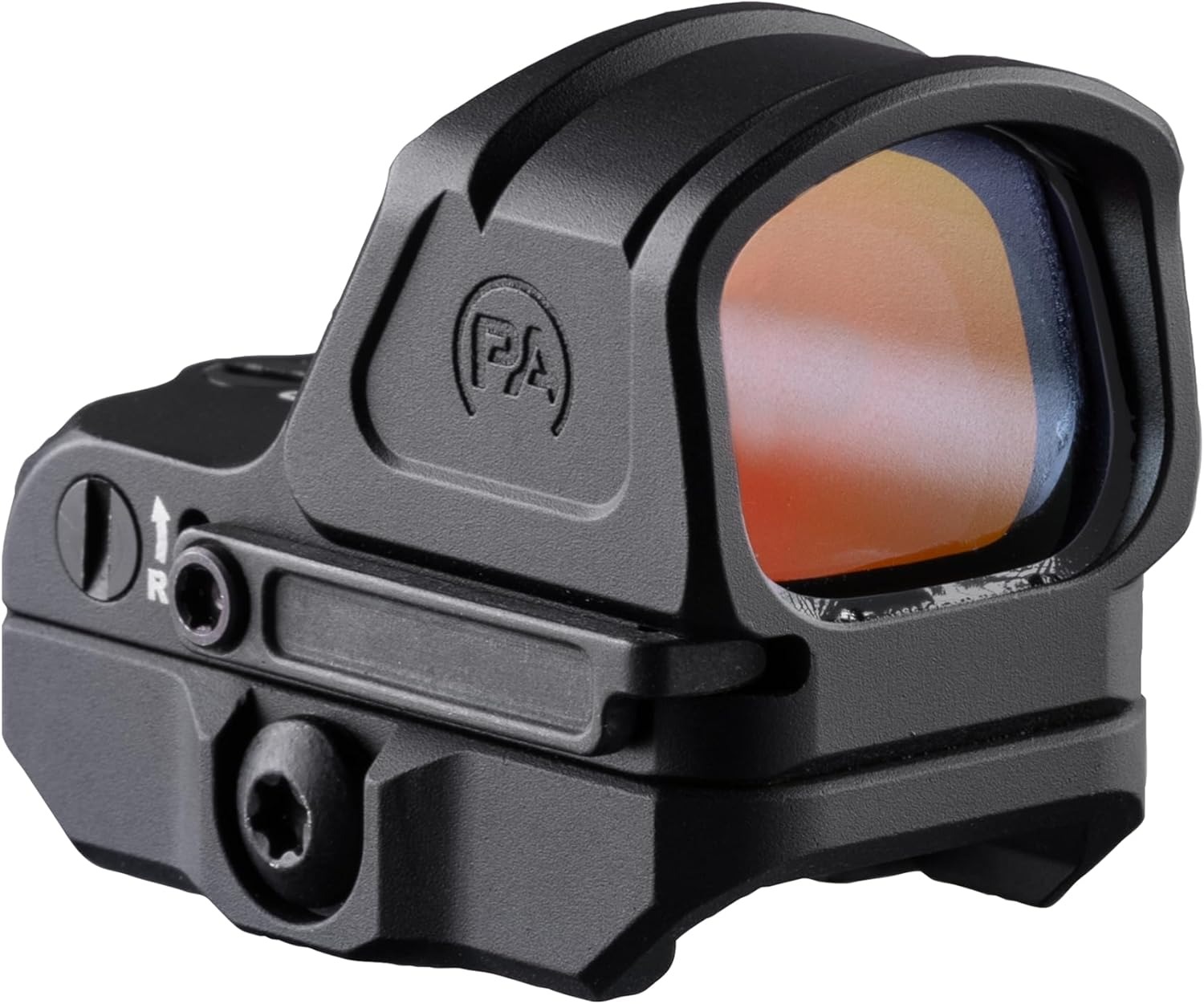
The RS-10 is a newer optic from Primary Arms that emphasizes durability and clear glass.
Specs
- Dot size: 3 MOA
- Battery: CR2032
- Footprint: RMR
- Weight: 1.3 oz
- Brightness: 12 settings
Pros
- Large window
- Strong aluminum housing
- Excellent brightness range
- Clear emitter
Cons
- Slightly thicker frame
- Newer design with shorter track record
- Bottom battery
My Hands-On Notes
The RS-10 surprised me with its glass clarity. Distortion near the edges is minimal, which helps maintain situational awareness.
Parallax shift is controlled well within typical pistol engagement distances. Even during rapid strings, the dot remained stable.
The controls are firm and tactile — easy to adjust with gloves.
What People Say Online
Most early reviews praise its durability and wide window. Some shooters compare it favorably to mid-tier Holosun models.
Mounting
Fits RMR-pattern SW9VE mounts.
╰┈➤ Explore User Feedback and Current Pricing on Amazon
Why the Best Red Dot for SW9VE Requires Careful Mounting
Unlike modern optics-ready pistols, the SW9VE typically requires a rear-sight dovetail adapter to mount a red dot. That introduces a few challenges.
First, the optic sits higher above the bore. A tall deck height can make presentation slower and limit your ability to co-witness with standard sights.
Second, the Sigma slide has a fairly aggressive recoil impulse compared to heavier modern slides. Lightweight optics generally perform better because they reduce stress on the mount.
Finally, footprint compatibility matters. Many adapters support either the Docter/Noblex footprint or the Trijicon RMR footprint, so choosing an optic that matches your mount will simplify installation.
How I Tested / Evaluation Criteria
Parallax
Parallax shift determines how much the dot moves relative to the target when your eye position changes. I tested each optic by moving the dot around the window at 15 yards. The best optics maintain point-of-aim even near the lens edges.
Co-Witness / Deck Height
Because the SW9VE relies on adapter plates, deck height becomes critical. Lower optics allow partial co-witness with suppressor-height sights, while taller optics can completely block the irons.
Durability
Slide-mounted pistol optics experience constant recoil forces. I evaluate durability by observing zero retention after multiple range sessions and checking for lens shift or emitter failure.
Battery
Battery design affects maintenance. Top-load systems like the Venom simplify battery changes, while bottom-load designs require removing the optic and re-confirming zero.
Brightness Range
An optic should work in low-light and bright daylight conditions. I check for blooming, glare, and usable brightness increments.
Glass Quality
Lens coatings impact clarity and color accuracy. Excessive tint can distort targets, while good coatings improve contrast without noticeable color shift.
Controls Ergonomics
Buttons must remain tactile and usable with gloves. Mushy controls or recessed buttons can make brightness adjustments frustrating.
Mounting Ecosystem
Finally, I evaluate how easily the optic integrates with common dovetail mounts designed for the SW9VE platform.
How to Choose the Right Red Dot for This Gun
Choosing a red dot for the SW9VE is slightly different from choosing one for a modern optics-ready handgun. The platform wasn’t designed with optics in mind, which means mounting options, weight distribution, and sight height become much more important.
The first factor to consider is footprint compatibility. Most SW9VE adapter plates support either the RMR pattern or the Docter pattern. RMR optics are more common today and offer the widest range of options. However, Docter-pattern optics often sit slightly lower on some mounts, which can help with sight alignment.
The second consideration is optic weight. Because the Sigma slide is relatively lightweight, adding a heavy optic can increase slide stress and potentially cause reliability issues. Optics around 1–1.5 ounces tend to work best.
Window size also plays a major role. Larger windows make it easier to reacquire the dot during recoil. This is particularly helpful on pistols without optics-ready ergonomics.
Battery accessibility is another important feature. If your optic requires removal to change the battery, you’ll need to confirm zero afterward. That’s not a deal breaker, but it’s something to consider if the pistol is used for defense.
Durability should also guide your decision. While many budget optics work fine for range use, defensive setups benefit from proven designs like the RMR or robust Holosun models.
Finally, think about your intended use. A competition shooter might prioritize a large window and fast target acquisition. A defensive shooter might prioritize durability and consistent brightness controls.
Balancing these factors will help ensure you choose an optic that actually performs well on the SW9VE platform.
FAQs
Can you mount a red dot directly to the SW9VE slide?
No. The SW9VE is not optics-ready. You’ll typically need a rear-sight dovetail mount or have the slide professionally milled.
What footprint works best for this pistol?
Most adapters support RMR or Docter footprints. RMR optics offer the largest selection.
Will a red dot affect reliability?
If the optic is lightweight and properly mounted, reliability generally remains unaffected. Heavy optics may cause cycling issues.
Do I need suppressor-height sights?
If you want a co-witness reference, yes. Most dovetail mounts require taller sights to see through the optic window.
What dot size works best?
For defensive shooting, 3 MOA is a good balance between precision and speed.
Conclusion
Finding the right optic for the SW9VE requires balancing durability, footprint compatibility, and mounting height. Because the pistol relies on adapter plates, lightweight optics with proven recoil resistance tend to perform the best.
For most shooters, the Holosun 407C offers the best overall balance of performance and price. If absolute durability is your priority, the Trijicon RMR Type 2 remains the most proven option. Budget-minded shooters can still get excellent results from optics like the Burris FastFire 3 or Vortex Venom.
With the right mount and a reliable optic, the Best Red Dot for SW9VE setup can dramatically improve target acquisition and accuracy while extending the usefulness of this classic Sigma pistol platform.