The Best Red Dot for Taurus Pt945 is not simply the optic with the highest price or newest feature set. The Taurus PT945 is a compact .45 ACP pistol with a fairly stout recoil impulse, and that changes the equation for optics selection. In my experience testing handgun red dots, heavier calibers expose weaknesses quickly—battery contacts loosen, emitter windows fog, or the optic loses zero after repeated recoil cycles.
Because the PT945 was not originally designed as an optics-ready handgun, choosing the right red dot also involves understanding mounting plates, footprint compatibility, deck height, and how the optic interacts with your iron sights. Some optics will require adapter plates or slide milling, while others are easier to mount.
In this guide, I’ll break down the red dot sights that actually make sense for this pistol platform. I’ve focused on optics with proven durability, manageable deck height, good window clarity, and reliable electronics—because those are the factors that matter most when mounting a red dot on a .45 ACP carry pistol.
Top Product List: Best Red Dot for Taurus Pt945
- Trijicon RMR Type 2
- HOLOSUN 507C
- Leupold Deltapoint Pro
- Vortex Venom
- Burris FastFire 3
- Swampfox Liberty II
Trijicon RMR Type 2
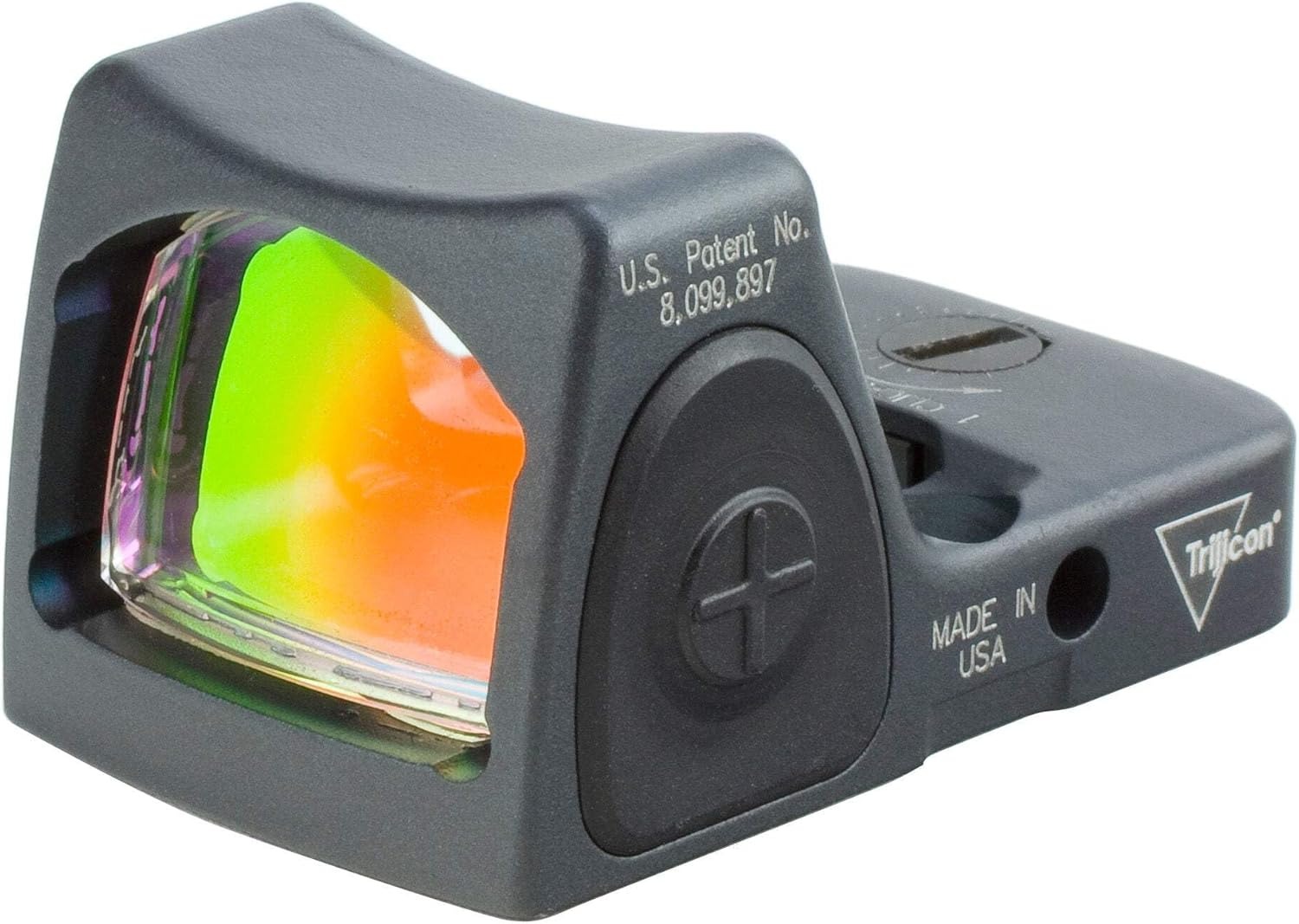
The Trijicon RMR Type 2 is widely considered the gold standard for pistol red dots. It was built specifically to survive handgun slide recoil, and that durability matters when mounting an optic on a .45 ACP pistol like the PT945.
Specs
- Footprint: RMR
- Dot size: 3.25 MOA
- Battery: CR2032
- Battery life: ~4 years
- Housing: Forged aluminum
- Weight: 1.2 oz
Pros
- Extremely durable housing
- Reliable electronics under heavy recoil
- Excellent battery life
- Huge aftermarket mounting support
Cons
- Expensive
- Bottom battery requires removal
My hands-on notes
The RMR Type 2 handles recoil impulse better than almost any open-emitter optic I’ve tested. On heavier calibers, cheaper optics sometimes show momentary flicker from battery contact bounce. The RMR’s redesigned electronics fixed that issue.
Parallax shift is minimal inside typical pistol distances. The window does have a slight blue tint due to the reflective lens coatings, but the dot remains crisp even in bright daylight.
The deck height is relatively low, which helps maintain a usable co-witness with suppressor-height sights if your slide is milled correctly.
What people say online
Across forums and Reddit pistol optics threads, the RMR consistently shows up as the “buy once, cry once” option. Competitive shooters and duty users trust it for exactly the same reason: it rarely loses zero.
Mounting clarity
The RMR footprint is the most common footprint in pistol optics. If your PT945 slide is milled or using an adapter plate, RMR compatibility is usually easy to achieve.
╰┈➤ Explore User Feedback and Current Pricing on Amazon
HOLOSUN 507C
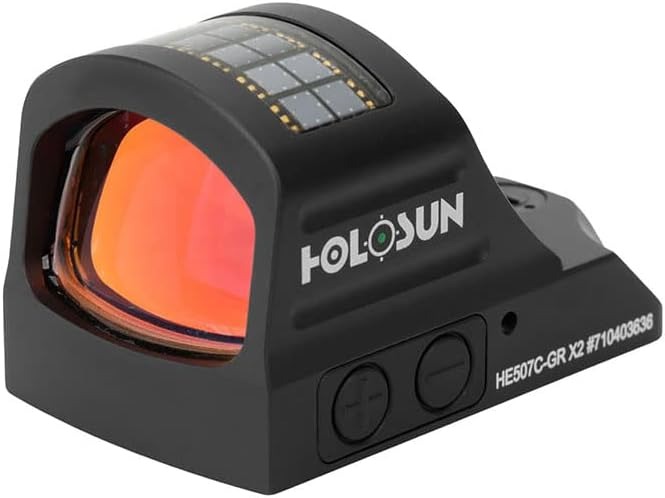
The Holosun 507C is one of the most feature-rich pistol optics available. It offers multiple reticle options and excellent battery efficiency while maintaining compatibility with the RMR mounting pattern.
Specs
- Footprint: RMR
- Dot size: 2 MOA / 32 MOA circle
- Battery: CR1632
- Battery life: up to 50,000 hours
- Solar backup: Yes
- Weight: 1.5 oz
Pros
- Multiple reticle system
- Side-loading battery tray
- Long battery life
- Durable aluminum housing
Cons
- Slightly thicker housing than RMR
- Window tint more noticeable
My hands-on notes
The side battery tray is one of my favorite features because it allows battery changes without removing the optic and losing zero.
The emitter window is slightly more exposed than some enclosed optics, so dust or water can occasionally obstruct the emitter. However, that’s true for most open pistol red dots.
Parallax performance is good at defensive distances, and the reticle options are genuinely useful. The circle-dot helps pick up the reticle faster during rapid presentation.
What people say online
The 507C has a strong reputation among budget-conscious shooters who still want advanced features. Online discussions often mention that it delivers near-RMR durability at a lower price.
Mounting clarity
Because the optic uses the RMR footprint, it works with most pistol red-dot mounting plates designed for RMR-pattern optics.
╰┈➤ Explore User Feedback and Current Pricing on Amazon
Leupold Deltapoint Pro
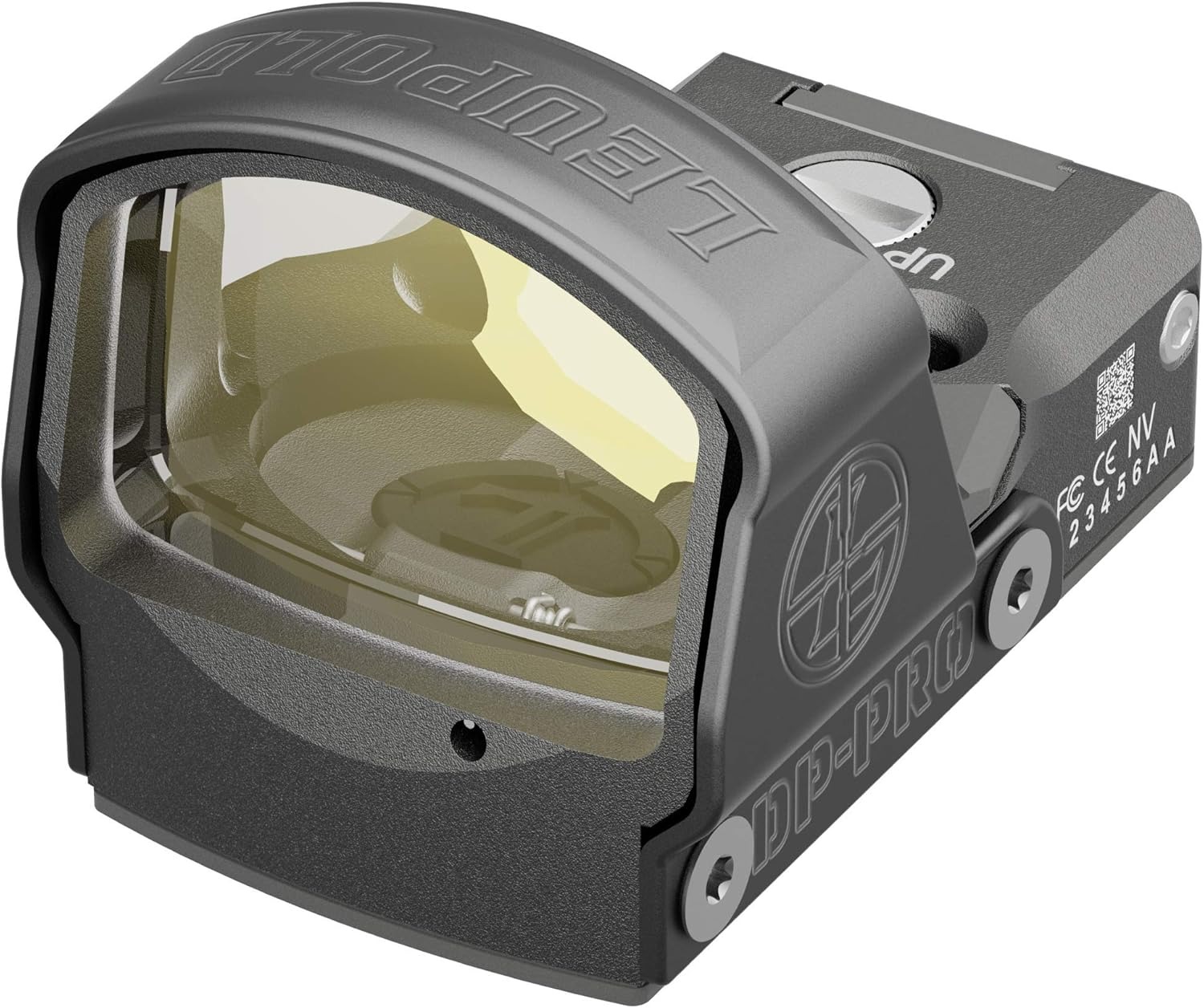
The Leupold DeltaPoint Pro stands out primarily for its large viewing window. For shooters transitioning from iron sights to red dots, the extra glass area makes dot acquisition significantly easier.
Specs
- Footprint: DeltaPoint Pro
- Dot size: 2.5 MOA
- Battery: CR2032
- Battery life: ~1600 hours
- Window: Large rectangular
Pros
- Very large viewing window
- Crisp dot clarity
- Top battery access
- Excellent glass quality
Cons
- Slightly taller deck height
- Requires DPP footprint mount
My hands-on notes
The window is noticeably larger than most pistol optics, which makes target tracking easier during rapid fire.
Lens coatings are very clear with minimal color distortion. Compared with other optics, the tint is extremely subtle.
The deck height is taller than an RMR, which can make co-witness slightly harder unless you use taller iron sights.
What people say online
Many competition shooters prefer the DeltaPoint Pro because of its window size. On pistol forums, it’s often described as one of the easiest optics for beginners to pick up quickly.
Mounting clarity
The DPP footprint differs from the RMR pattern, so you may need a dedicated plate or slide cut.
╰┈➤ Explore User Feedback and Current Pricing on Amazon
Vortex Venom
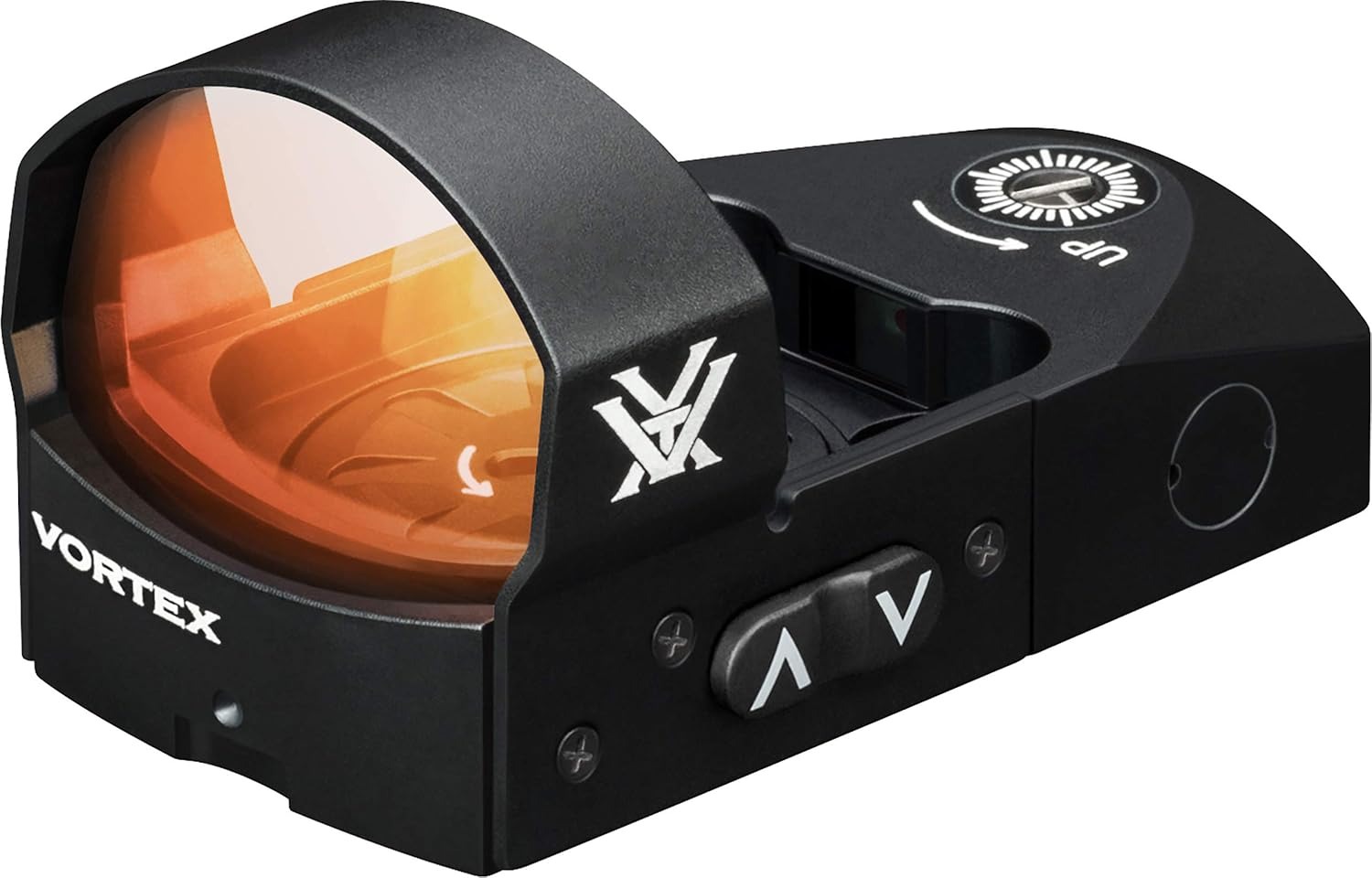
The Vortex Venom is a popular entry-level pistol red dot known for good performance at a lower price point.
Specs
- Footprint: Docter
- Dot size: 3 MOA
- Battery: CR1632
- Battery life: ~30,000 hours
- Weight: 1.1 oz
Pros
- Affordable price
- Top-loading battery
- Lightweight design
- Clear glass
Cons
- Not as rugged as duty optics
- Buttons small with gloves
My hands-on notes
The Venom’s window is fairly wide, and the dot is crisp under bright conditions.
One drawback is the small brightness buttons. With gloves on, they can feel a bit mushy and harder to press accurately.
The optic holds zero well during moderate recoil, though heavy calibers may push it harder than premium optics.
What people say online
Shooters often recommend the Venom as a starter red dot. It offers solid performance and excellent warranty support from Vortex.
Mounting clarity
The Venom uses the Docter footprint, which means you’ll need a compatible mounting plate or slide cut.
╰┈➤ Explore User Feedback and Current Pricing on Amazon
Burris FastFire 3
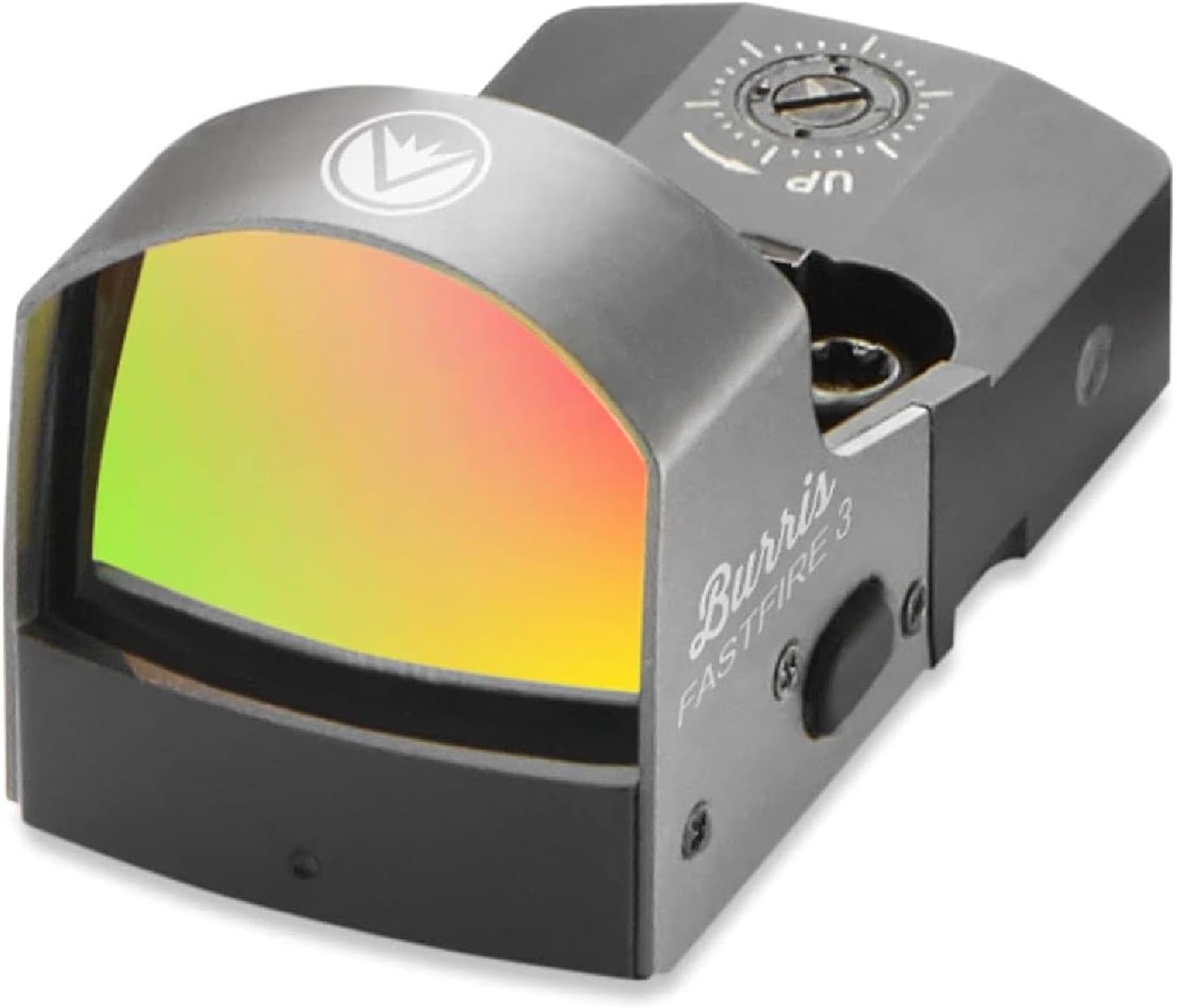
The Burris FastFire 3 has been around for years and still holds a strong reputation for reliability and lightweight design.
Specs
- Footprint: Docter
- Dot size: 3 MOA
- Battery: CR1632
- Battery life: up to 5 years
Pros
- Extremely lightweight
- Simple controls
- Reliable electronics
- Good auto-brightness
Cons
- Small adjustment screws
- Limited brightness range
My hands-on notes
The FastFire 3 is one of the lightest optics available. That helps maintain slide cycling reliability on older pistols not designed for optics.
The emitter is slightly more exposed than modern designs, so debris can occasionally block it.
Parallax shift is minor inside defensive distances, though edge distortion can appear at extreme angles.
What people say online
Many shooters praise the FastFire 3 for long-term reliability. Even though newer optics exist, it remains widely used.
Mounting clarity
Like the Venom, it uses the Docter pattern.
╰┈➤ Explore User Feedback and Current Pricing on Amazon
Swampfox Liberty II
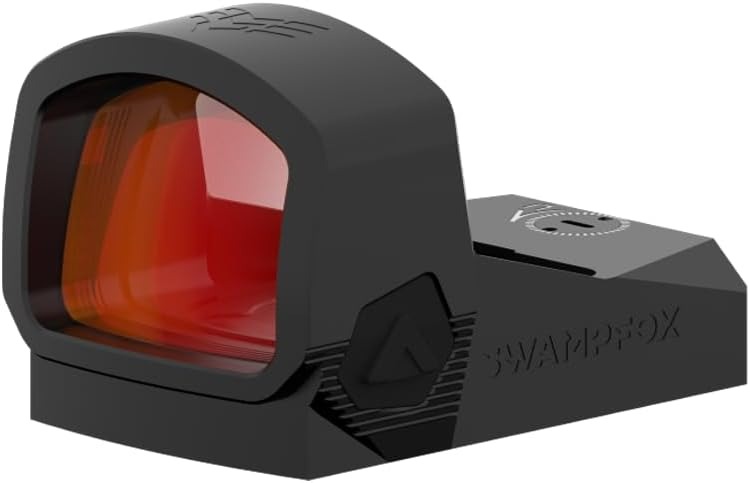
The Swampfox Liberty II offers a strong value proposition with modern durability and the widely used RMR footprint.
Specs
- Footprint: RMR
- Dot size: 3 MOA
- Battery: CR1632
- Housing: 7075 aluminum
Pros
- Affordable RMR-pattern optic
- Strong aluminum housing
- Good brightness range
Cons
- Slight lens tint
- Not as proven as older optics
My hands-on notes
The Liberty II feels solid in hand. The aluminum housing is thicker than many budget optics, which helps absorb recoil.
Brightness buttons have good tactile feedback, even when wearing gloves.
The lens shows mild tint but remains usable in bright conditions.
What people say online
Users frequently highlight the Liberty II as one of the best values in pistol optics. It provides many premium features at a lower cost.
Mounting clarity
Because it follows the RMR footprint, mounting options are widely available.
╰┈➤ Explore User Feedback and Current Pricing on Amazon
Why Best Red Dot for Taurus Pt945 Depends on Mounting Setup
The Taurus PT945 predates the modern optics-ready pistol trend. That means mounting a red dot requires additional consideration.
Most owners either install a rear-sight dovetail mount or have the slide professionally milled. Milling provides the lowest deck height and best co-witness alignment, while dovetail plates are easier to install but sit higher above the slide.
Footprint compatibility is the next big factor. The RMR footprint dominates the pistol optic market, which is why many shooters prioritize optics using that mounting pattern.
If you plan to carry the pistol, you’ll also want to minimize weight and maintain reliable slide cycling. Heavy optics can alter recoil dynamics on older handguns.
How I Tested / Evaluation Criteria
Parallax
Parallax in pistol optics is often misunderstood. No red dot is completely parallax-free, but high-quality optics minimize point-of-impact shift as your eye moves within the window. I tested optics by intentionally shifting eye position at 10–15 yards to observe reticle drift.
Co-Witness and Deck Height
Deck height determines how high the optic sits above the slide. A lower deck height allows iron sights to co-witness through the optic window. I evaluated how each optic aligns with suppressor-height sights and whether the irons remain usable.
Durability
Pistol optics experience significant shock during slide cycling. I paid close attention to recoil resistance, battery contact stability, and whether the optic maintained zero after repeated firing sessions.
Battery System
Battery placement matters. Top-loading or side-loading designs allow battery replacement without removing the optic. Bottom-loading systems require re-zeroing.
Brightness Range
Brightness must accommodate both bright daylight and low-light shooting. I tested visibility outdoors in direct sun and indoors under dim lighting.
Glass Quality
Lens coatings affect clarity and tint. Some optics have heavy blue or green tint due to reflective coatings. I looked for distortion, edge clarity, and overall visibility.
Controls and Ergonomics
Button placement and tactile feedback are surprisingly important. I tested button usability with gloves and evaluated how easy it was to adjust brightness quickly.
Mounting Ecosystem
An optic with a common footprint makes mounting significantly easier. I considered compatibility with common adapter plates and slide cuts.
How to Choose the Right Red Dot for This Gun
Choosing the right red dot for a Taurus PT945 involves balancing durability, mounting compatibility, and ergonomics.
First, determine how you plan to mount the optic. If you intend to mill the slide, you’ll have more flexibility in footprint selection. Milling allows the optic to sit lower on the slide, which improves co-witness alignment and reduces the mechanical offset between the dot and bore. For many shooters, the RMR footprint is the safest choice because it has the largest aftermarket support.
If you prefer not to modify the slide, a dovetail mount is another option. These mounts replace the rear sight and allow a red dot to be installed without permanent modifications. The downside is increased deck height, which can make the pistol slightly harder to conceal and may eliminate the ability to co-witness iron sights.
Next, consider the recoil characteristics of the .45 ACP cartridge. The PT945 produces more slide velocity than many 9mm pistols, which means weaker optics may struggle to maintain zero over time. Choosing a red dot with a strong housing and reliable electronics is essential.
Window size is another important factor. Larger windows like those on the DeltaPoint Pro make target acquisition easier, especially for shooters new to red dots. However, larger optics may also increase the pistol’s overall profile.
Battery access should not be overlooked. Optics with side or top battery compartments allow quick battery replacement without removing the optic from the slide. This prevents the need to re-zero the sight after a battery change.
Finally, think about how you plan to use the pistol. For defensive carry, durability and reliability should take priority. For range use, window size and reticle options may be more important.
FAQs
Can the Taurus PT945 be optics ready?
Most PT945 pistols are not factory optics ready. You’ll typically need a dovetail mount or slide milling to install a red dot.
Is slide milling better than a dovetail mount?
Yes. Milling allows the optic to sit lower and improves durability. Dovetail mounts are easier but raise the optic higher above the slide.
What footprint works best?
The RMR footprint is the most widely supported pattern and usually the easiest to mount.
Do I need suppressor-height sights?
If you want a co-witness through the optic window, taller iron sights are recommended.
Are red dots reliable on .45 pistols?
Yes, but durability matters more because of stronger recoil.
Conclusion
Choosing the Best Red Dot for Taurus Pt945 ultimately comes down to durability, mounting compatibility, and personal shooting preferences. Optics like the Trijicon RMR Type 2 and Holosun 507C offer the best balance of reliability and performance for a .45 ACP handgun, while options like the Vortex Venom or Burris FastFire 3 provide affordable entry points.
If your PT945 is a defensive pistol, investing in a rugged optic with a proven recoil track record is the safest choice. A reliable red dot can dramatically improve target acquisition and accuracy—but only if it’s built to survive the recoil and mounting realities of this classic .45 platform.